
Upgrade & Secure Your Future with DevOps, SRE, DevSecOps, MLOps!

We spend hours on Instagram and YouTube and waste money on coffee and fast food, but won’t spend 30 minutes a day learning skills to boost our careers.
Master in DevOps, SRE, DevSecOps & MLOps!

Learn from Guru Rajesh Kumar and double your salary in just one year.

Get Started Now!

How to generate Personal access tokens in github?

To generate a personal access token in GitHub, follow these steps:

Step1: Sign in to GitHub: Go to github.com and sign in to your GitHub account.
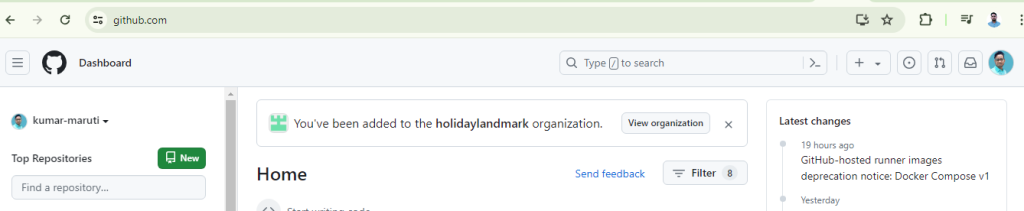
Step2: Access Settings: Click on your profile picture in the top-right corner of the page, then click on “Settings” from the dropdown menu.
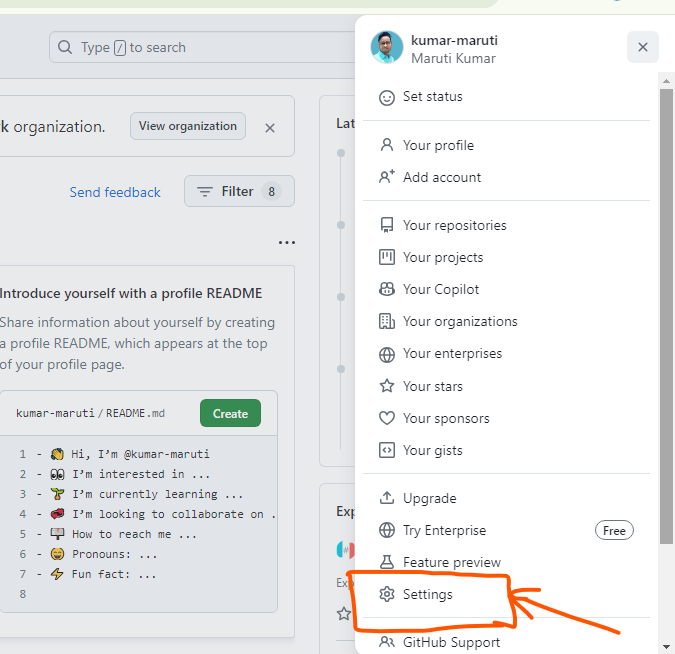
Step3: Select Developer settings: In the left sidebar, click on “Developer settings”.
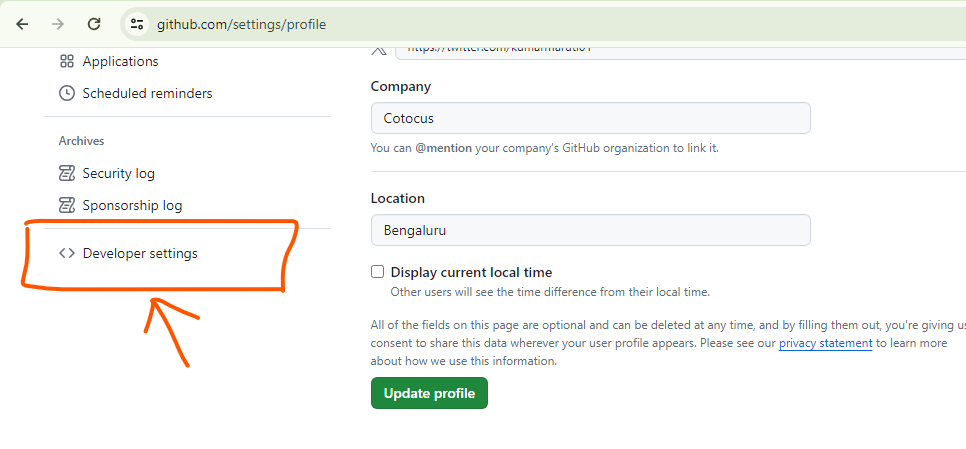
Step4: Choose Personal access tokens: In the Developer settings menu, click on “Personal access tokens”.
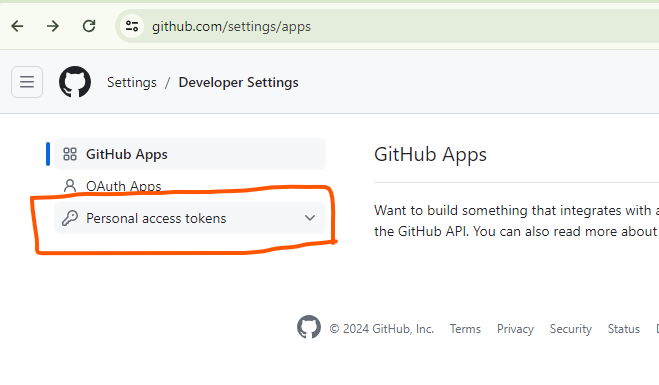
Step5: Generate a new token: Click on the “Generate new token” button. You may be prompted to enter your password for verification.
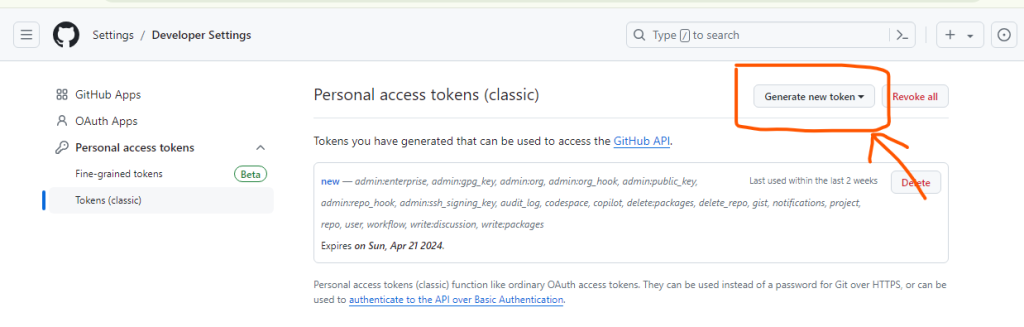
Step6: Configure your token: Give your token a descriptive name that will help you remember its purpose. Then, select the desired scopes for the token. Scopes define what actions the token can perform, such as accessing repositories, creating gists, or managing notifications.

Step7: Generate the token: Once you’ve configured the token, click on the “Generate token” button at the bottom of the page.

Step8: Copy your token: GitHub will generate a personal access token for you. Make sure to copy this token immediately as it will not be displayed again.

Step9: Store your token securely: Treat your token like a password and keep it secure. Do not share it publicly or commit it to version control repositories.

That’s it! You’ve successfully generated a personal access token in GitHub. You can now use this token to authenticate your requests when accessing GitHub APIs or performing actions programmatically.

Related Posts

Git Troubleshooting Advance Guides – aiuniverse

Here’s a guide to addressing several advanced Git issues, complete with solutions: 1. Resolving Merge Conflicts Problem: Merge conflicts occur when Git is unable to automatically resolve Read More

Read More

How to install Git in windows 10

To install GitHub on Windows 10, you can follow these steps: Step 1: Install Git Step 2: Verify Git Installation That’s it! You’ve now installed Git in Read More

Read More

How to set SSH key in window 10

Setting up an SSH key on Windows 10 involves a few steps. SSH keys are used for secure authentication when connecting to remote servers, including services like Read More

Read More

What is GitOps and What is the Feature of GitOps?

What is GitOps? GitOps is a way of implementing a continuous delivery approach for managing infrastructure and applications. It leverages the power of Git, a distributed version Read More

Read More

Difference between Mercurial and Git?

Mercurial Mercurial is a distributed revision control tool developed by Matt Mackall on April 19, 2005. It is designed for software developers and supports multiple operating systems, Read More

Read More
Subscribe
Notify of
guest
0 Comments
Oldest
Newest Most Voted
Inline Feedbacks
View all comments
0
Would love your thoughts, please comment.x
()
x