Introduction
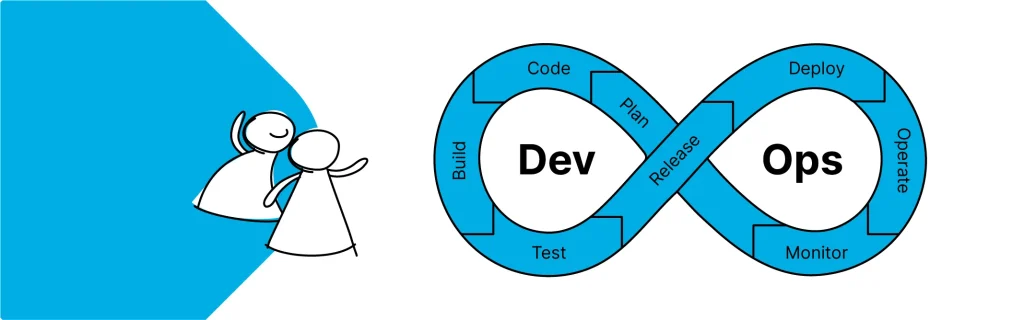
In the current landscape of software delivery, the divide between development and operations has largely dissolved, replaced by the integrated approach of DevOps. This guide is designed for software professionals, system administrators, and technical leads who are considering the Certified DevOps Engineer (CDE) credential to validate their skills. It matters today because organizations are no longer asking “if” they should do DevOps, but “how effectively” they can scale it.
For engineers, this certification serves as a benchmark of technical competency in CI/CD, containerization, and infrastructure automation. For managers, it provides a clear standard for hiring and upskilling teams. This guide will walk you through the practical realities of the certification, helping you decide if it aligns with your career trajectory in the cloud-native ecosystem. We will move beyond the buzzwords to discuss actual utility, exam expectations, and the career impact of becoming a Certified DevOps Engineer (CDE).
What is the Certified DevOps Engineer (CDE)?
The Certified DevOps Engineer (CDE) is a professional credential that validates an individual’s ability to implement, manage, and scale DevOps processes. Unlike theoretical exams that only test vocabulary, this certification focuses on the practical application of tools and methodologies required to automate the software delivery lifecycle. It represents a bridge between coding logic and infrastructure management, ensuring the holder understands how to move code from a developer’s machine to a production environment seamlessly.
In an enterprise context, the Certified DevOps Engineer (CDE) designation signals that a professional can handle the complexities of modern architecture, such as microservices and hybrid cloud setups. It aligns with modern engineering workflows by prioritizing automation, collaboration, and monitoring. The certification is designed to prove that you possess the “T-shaped” skills necessary for today’s market—deep expertise in core tools like Jenkins, Docker, and Kubernetes, coupled with a broad understanding of security and reliability principles.
Who Should Pursue Certified DevOps Engineer (CDE)?
This certification is primarily targeted at software developers who wish to understand the operational side of their code, and system administrators who need to master automation and coding practices. It is highly relevant for Build and Release Engineers looking to modernize their skill sets and transition into full-fledged DevOps roles. Additionally, Quality Assurance (QA) professionals moving toward test automation and continuous testing will find the curriculum essential for their career pivot.
Experienced engineers and technical architects should pursue the Certified DevOps Engineer (CDE) to formalize the knowledge they have gained through experience, providing a recognized credential for their resumes. It is also beneficial for engineering managers who need a high-level understanding of the pipelines they manage. Whether you are based in India working for a service integrator or working globally for a product firm, the universal nature of the tools covered makes this certification globally relevant.
Why Certified DevOps Engineer (CDE) is Valuable in 2026 and Beyond
As we move into 2026, the tech industry is seeing a massive shift toward platform engineering and AIOps, but the foundational need for robust DevOps practices remains the bedrock of these advancements. The Certified DevOps Engineer (CDE) remains valuable because automation is not a trend; it is the standard operating model for every successful IT organization. The longevity of this value lies in the certification’s focus on fundamental principles of integration and delivery, which remain constant even as specific tools evolve.
Enterprise adoption of DevOps has reached maturity, meaning companies are now looking for standardized ways to vet talent rather than relying on gut feeling during interviews. Holding a Certified DevOps Engineer (CDE) credential demonstrates a commitment to professional growth and provides a significant return on investment by opening doors to higher salary brackets and leadership roles. It positions professionals to stay relevant by ensuring they have mastered the control plane of software delivery, a skill set that will be required as long as software is being written.
Certified DevOps Engineer (CDE) Certification Overview
The Certified DevOps Engineer (CDE) program is a structured assessment delivered via Certified DevOps Engineer (CDE) and hosted on Devopsschool. The program is designed to be flexible, often catering to working professionals who need to balance their current job responsibilities with upskilling. It emphasizes a comprehensive understanding of the software development lifecycle (SDLC) rather than just isolated tool usage.
The assessment approach for the Certified DevOps Engineer (CDE) is typically rigorous, focusing on the candidate’s ability to solve real-world problems rather than just answering multiple-choice questions. It covers the entire spectrum of DevOps, from source code management to production monitoring. The certification is owned and issued by DevOpsSchool, an organization known for its deep roots in the industry and a training pool boasting hundreds of years of combined experience. The structure is built to validate that a candidate is “project-ready” from day one.
Certified DevOps Engineer (CDE) Certification Tracks & Levels
The certification ecosystem generally follows a progression starting with a Foundation level, which covers the cultural aspects and basic terminology of DevOps. This is ideal for beginners or non-technical stakeholders who need to understand the “why” behind the movement. It sets the stage for more technical deep dives without overwhelming the learner with complex code immediately.
The Professional level, which is the core Certified DevOps Engineer (CDE) track, focuses on the hands-on implementation of CI/CD pipelines, containerization, and configuration management. This is the standard operational level for most engineers. Beyond this, there are Advanced or “Master” levels that integrate specialized disciplines such as Security (DevSecOps) and Reliability (SRE). These advanced tracks are designed for architects and leads who are responsible for the strategy and resilience of large-scale systems.
Complete Certified DevOps Engineer (CDE) Certification Table
| Track | Level | Who it’s for | Prerequisites | Skills Covered | Recommended Order | Official Link |
|---|---|---|---|---|---|---|
| DevOps Generalist | Professional | Developers, SysAdmins, QA | Linux Basics, Scripting, SDLC | Git, Jenkins, Docker, Ansible | 1 (Start Here) | Course URL |
| DevSecOps | Specialist | Security Pros, DevOps Eng | CDE, Network Security basics | SAST/DAST, Compliance, Vault | 3 (Specialization) | |
| SRE | Specialist | Ops Leads, SysAdmins | CDE, Python/Go basics | SLIs/SLOs, Observability, Chaos | 3 (Specialization) | |
| Cloud DevOps | Professional | Cloud Engineers | AWS/Azure basics | Terraform, CloudFormation | Parallel with CDE |
Detailed Guide for Each Certified DevOps Engineer (CDE) Certification
Certified DevOps Engineer (CDE) – [Professional Level]
What it is
This certification validates the core technical skills required to build automated software delivery pipelines. It proves that the candidate can set up a CI/CD environment, containerize applications, and manage infrastructure using code.
Who should take it
This is the primary certification for software developers, system administrators, and QA engineers with 1-4 years of experience who want to transition into a dedicated DevOps role. It is also suitable for freshers who have undergone rigorous training.
Skills you’ll gain
- Source Code Management with Git and GitHub/GitLab.
- Continuous Integration setup using Jenkins or similar orchestration tools.
- Containerization fundamentals using Docker and container orchestration with Kubernetes.
- Configuration Management using Ansible, Chef, or Puppet.
- Basic infrastructure provisioning and monitoring concepts.
Real-world projects you should be able to do
- Deploy a multi-tier web application using Docker containers and manage it via Kubernetes.
- Create a fully automated Jenkins pipeline that pulls code, runs tests, and deploys to a staging server.
- Write Ansible playbooks to configure web servers and database servers automatically.
Preparation plan
- 7-14 Days: Focus entirely on Linux command line mastery and Git version control workflows.
- 30 Days: Deep dive into Jenkins and Docker. Build simple pipelines on your local machine.
- 60 Days: Focus on Kubernetes and configuration management. Complete at least two full end-to-end deployment projects.
Common mistakes
Candidates often focus too much on memorizing commands rather than understanding the workflow between tools. Another common mistake is neglecting the “culture” aspect—ignoring why collaboration matters in favor of just learning tools.
Best next certification after this
- Same-track option: Master in DevOps Engineering (MDE).
- Cross-track option: Certified Kubernetes Administrator (CKA).
- Leadership option: Project Management Professional (PMP) or Agile certifications.
Certified DevOps Engineer (CDE) – [Master in DevOps Engineering (MDE)]
What it is
The MDE is an advanced certification that builds upon the CDE, integrating DevSecOps and SRE principles. It validates the ability to architect secure, scalable, and reliable systems, not just build pipelines.
Who should take it
Senior engineers, team leads, and architects with 5+ years of experience. This is for professionals responsible for designing the entire software delivery strategy for an organization.
Skills you’ll gain
- Advanced Kubernetes cluster management and security.
- Implementing DevSecOps pipelines with vulnerability scanning (SAST/DAST).
- Site Reliability Engineering (SRE) concepts like Error Budgets and SLOs.
- Observability stacks using Prometheus, Grafana, and ELK.
- Cloud-native architecture patterns.
Real-world projects you should be able to do
- Architect a zero-downtime deployment strategy using Blue/Green or Canary deployments on Kubernetes.
- Implement a secure software supply chain that automatically blocks vulnerable libraries from reaching production.
- Design a self-healing infrastructure stack that auto-scales based on custom metrics.
Preparation plan
- 7-14 Days: Review advanced networking and security protocols.
- 30 Days: Focus deeply on Kubernetes security contexts, service meshes, and observability.
- 60 Days: Implement a full DevSecOps pipeline with distinct stages for security, performance, and compliance testing.
Common mistakes
Underestimating the complexity of security integrations is a frequent error. Candidates also often struggle with the abstract concepts of SRE, such as defining meaningful Service Level Objectives (SLOs) versus just monitoring CPU usage.
Best next certification after this
- Same-track option: Specialized Cloud Security Certifications (AWS Security Specialty).
- Cross-track option: Certified Cloud Architect (AWS/Azure/GCP).
- Leadership option: MBA or IT Management certifications.
Choose Your Learning Path
DevOps Path
The traditional DevOps path focuses on speed and efficiency in software delivery. It begins with mastering Linux and scripting, moving into CI/CD with Jenkins or GitLab CI, and culminating in container orchestration. This path is ideal for developers who want to improve deployment velocity and operations staff who want to automate manual toil.
DevSecOps Path
This path integrates security practices directly into the DevOps workflow, known as “shifting left.” It involves learning security scanning tools, compliance automation, and secure coding practices alongside standard DevOps tools. Professionals on this path ensure that speed does not compromise the security posture of the application.
SRE Path
Site Reliability Engineering focuses on keeping systems scalable and highly available. This path emphasizes coding for operations, utilizing observability tools, and managing incident response. It is suited for engineers who enjoy troubleshooting complex systems and writing code to fix operational problems.
AIOps / MLOps Path
This emerging path deals with the operationalization of Artificial Intelligence and Machine Learning models. It requires knowledge of data pipelines, model training workflows, and model deployment strategies. It brings DevOps rigor to the experimental world of data science.
DataOps Path
DataOps applies DevOps principles to data analytics and data engineering. The focus is on automating the flow of data from source to value, ensuring data quality and reducing the cycle time of data analytics. It is perfect for data engineers who want to bring agility to their data pipelines.
FinOps Path
FinOps is the operating model for the cloud, focusing on financial accountability and cost optimization. This path combines engineering, finance, and business to manage cloud spending. It is essential for organizations scaling their cloud usage and needing to control ballooning infrastructure costs.
Role → Recommended Certified DevOps Engineer (CDE) Certifications
| Role | Recommended Certifications |
|---|---|
| DevOps Engineer | Certified DevOps Engineer (CDE) – Professional |
| SRE | Master in DevOps Engineering (MDE) + CKA |
| Platform Engineer | Certified DevOps Engineer (CDE) + Cloud Architect |
| Cloud Engineer | Certified DevOps Engineer (CDE) + AWS/Azure Associate |
| Security Engineer | Certified DevSecOps Professional |
| Data Engineer | Certified DevOps Engineer (CDE) + DataOps Specialist |
| FinOps Practitioner | Certified FinOps Practitioner |
| Engineering Manager | Certified DevOps Engineer (CDE) (Foundation/Awareness) |
Next Certifications to Take After Certified DevOps Engineer (CDE)
Same Track Progression
After achieving the Certified DevOps Engineer (CDE), the logical next step is to deepen your expertise within the domain. This often means pursuing the Master in DevOps Engineering (MDE) or specific tool-based certifications like the Certified Kubernetes Administrator (CKA). These deep-dive certifications validate that you are not just a user of the tools, but an expert capable of troubleshooting complex edge cases.
Cross-Track Expansion
To become a more versatile engineer, consider expanding into adjacent fields. Cloud provider certifications (AWS Solutions Architect, Microsoft Azure Administrator) are excellent cross-track options. They provide the infrastructure context that complements your DevOps process knowledge, making you a “full-stack” infrastructure professional.
Leadership & Management Track
For those looking to move out of the terminal and into the boardroom, certifications like the PMP (Project Management Professional) or ITIL (Information Technology Infrastructure Library) are valuable. These help in understanding how DevOps initiatives fit into broader business goals and service delivery models, essential for roles like Director of Engineering or CTO.
Training & Certification Support Providers for Certified DevOps Engineer (CDE)
DevOpsSchool
DevOpsSchool is a premier provider of the Certified DevOps Engineer (CDE) training and certification. They are known for their “learning by doing” approach, offering instructor-led sessions by industry veterans. Their curriculum is constantly updated to reflect the latest market trends.
Cotocus
Cotocus focuses on high-end consulting and training services, often partnering with enterprises to upskill entire teams. They are known for their rigorous bootcamp-style training sessions that prepare candidates for certification exams through intensive hands-on labs.
Scmgalaxy
Scmgalaxy is a community-driven platform that offers a wealth of resources, tutorials, and community support for DevOps learners. They provide excellent supplementary materials and forums that can be crucial when preparing for the Certified DevOps Engineer (CDE) exam.
BestDevOps
BestDevOps serves as a resource hub and training aggregator, helping professionals find the right courses and certification paths. They often review and recommend specific modules that align well with the Certified DevOps Engineer (CDE) curriculum.
devsecopsschool.com
This provider specializes specifically in the intersection of security and DevOps. For those taking the CDE with an eye toward a future in DevSecOps, their resources and specialized courses provide the necessary security depth.
sreschool.com
Focused on Site Reliability Engineering, this platform offers training that bridges the gap between pure DevOps and SRE. They are an excellent resource for CDE graduates looking to specialize in reliability and observability.
aiopsschool.com
As AI integration becomes standard, aiopsschool.com provides forward-looking training on applying AI to operations. They help CDE holders understand how to integrate intelligent automation into their pipelines.
dataopsschool.com
This provider caters to the data engineering community, offering courses that apply DevOps principles to data workflows. It is the go-to resource for CDE certified professionals moving into the data space.
finopsschool.com
Focusing on cloud financial management, this provider helps engineers understand the cost implications of their architecture. Their training is vital for senior DevOps engineers who need to manage cloud budgets effectively.
Frequently Asked Questions
Is the Certified DevOps Engineer (CDE) exam difficult for beginners?
Yes, it can be challenging for absolute beginners because it tests practical implementation rather than just theory. However, with the right structured training and hands-on lab practice, it is entirely manageable.
How much time is required to prepare for the certification?
Typically, a dedicated preparation period of 4 to 8 weeks is recommended. This assumes you are spending 10-15 hours per week on study and hands-on practice labs.
Do I need to know how to code to pass?
While you don’t need to be a software developer, you must have a working knowledge of scripting (Bash, Python) and reading code. DevOps relies heavily on “Infrastructure as Code,” so comfort with code is essential.
What is the return on investment (ROI) for this certification?
The ROI is generally high, with certified professionals often seeing salary increases of 20-30%. It also significantly shortens the job search duration by validating your skills to recruiters instantly.
Are there prerequisites for taking the exam?
There are usually no strict formal prerequisites, but a background in IT, basic knowledge of Linux, and familiarity with the software development lifecycle are strongly recommended to ensure success.
Does the certification expire?
Many modern DevOps certifications, including those from DevOpsSchool, are valid for a lifetime. This eliminates the need for stressful and costly re-certification exams every few years.
Can I take the exam online?
Yes, the Certified DevOps Engineer (CDE) exam is available online, allowing you to take it from the comfort of your home or office. This flexibility makes it accessible to a global audience.
How does this compare to cloud certifications like AWS or Azure?
Cloud certifications focus on specific vendor platforms, while the CDE focuses on the process and tools of DevOps (Jenkins, Git, Docker) which are platform-agnostic. Both are complementary.
Is it recognized by top companies?
Yes, the Certified DevOps Engineer (CDE) is recognized by major MNCs and tech startups as a valid proof of skill. It is often used as a filter keyword by HR teams.
What happens if I fail the exam?
Most providers offer a retake option, sometimes for a reduced fee or included in the training package. It is important to check the specific policy of the provider before booking.
Does the training include real-world projects?
Quality training programs for CDE include multiple real-time projects. These are crucial for understanding how different tools integrate to form a complete pipeline.
Is support available after I get certified?
Many providers offer alumni communities or forums where you can continue to network, ask questions, and get career advice even after you have passed your certification.
FAQs on Certified DevOps Engineer (CDE)
What specific tools are covered in the Certified DevOps Engineer (CDE) exam?
The exam typically covers Git, Jenkins, Docker, Kubernetes, Ansible, Maven, and monitoring tools like Prometheus and Grafana.
Is the Certified DevOps Engineer (CDE) recognized in the USA and India equally?
Yes, DevOps tools and methodologies are universal. The certification is recognized globally, with high demand in tech hubs in both the USA and India.
Can a fresher get a job with a Certified DevOps Engineer (CDE) certification?
Yes, while experience is preferred, a fresher with a CDE certification stands out significantly over non-certified candidates, demonstrating initiative and practical knowledge.
Does the certification cover cloud platforms like AWS?
While it is not an AWS certification, the CDE curriculum typically uses cloud platforms (AWS/Azure) as the infrastructure layer for labs and projects.
How is the Certified DevOps Engineer (CDE) different from a Master in DevOps?
The CDE is usually the professional-level practitioner certification, whereas the Master level covers advanced architecture, security, and strategic implementation.
Are there lab exams involved in the Certified DevOps Engineer (CDE)?
Most credible CDE certifications involve performance-based questions or heavy lab components during training to ensure you can actually do the work.
What is the passing score for the Certified DevOps Engineer (CDE)?
The passing score varies but typically hovers around 65-70%. It is designed to ensure you have a solid grasp of the core concepts.
Is the Certified DevOps Engineer (CDE) worth it for Managers?
Yes, for engineering managers, it provides the necessary technical context to make informed decisions about tooling, hiring, and delivery timelines.
Final Thoughts: Is Certified DevOps Engineer (CDE) Worth It?
If you are serious about a career in modern infrastructure and software delivery, the Certified DevOps Engineer (CDE) is absolutely worth your time and investment. In an industry that is often flooded with “paper tigers”—people who know the buzzwords but can’t do the work—this certification serves as a powerful differentiator. It validates that you have the grit to learn complex toolchains and the discipline to apply them in a structured way.
However, remember that a certification is a compass, not the map. It shows you the direction and validates your capacity to learn, but your career will ultimately be built on the problems you solve and the value you deliver. Use the Certified DevOps Engineer (CDE) as a structured path to mastery, not just a badge for your LinkedIn profile. If you commit to the learning process, the career rewards in terms of salary, job satisfaction, and professional respect will follow naturally.
