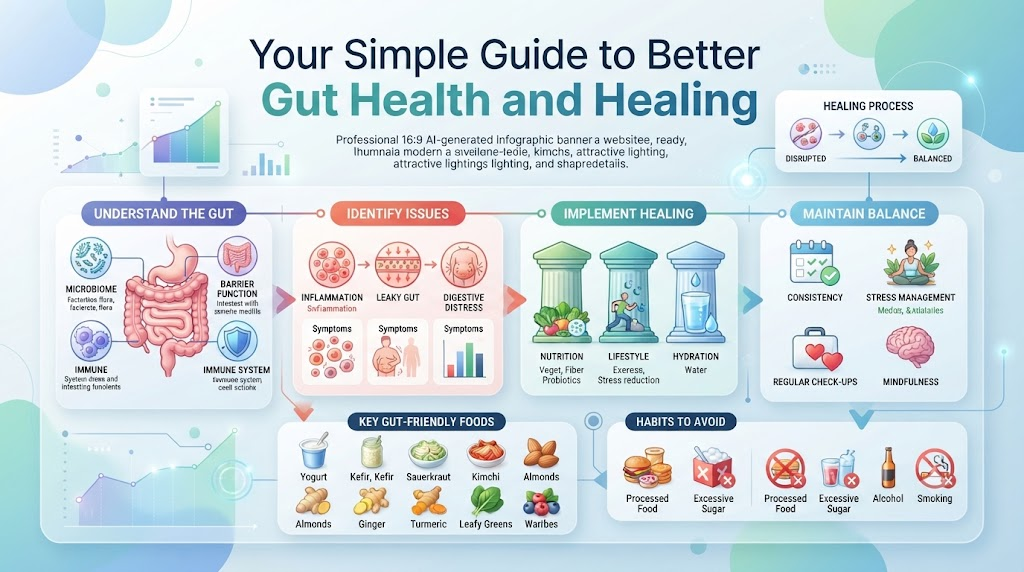
Stomach and bowel troubles can feel scary, painful, and confusing. You may wonder what food caused your pain, or why your belly hurts every day. When your gut feels off, finding simple, honest answers should not be hard. Many medical sites use big words that only cause worry. We believe every patient deserves clear, caring facts. This guide helps you understand common gut issues and find the best care. You can find verified clinics and helpful guides directly on GastroHospitals.com. You do not have to guess about your health anymore. Relief begins with clear facts and the right medical team by your side.
What is GastroHospitals.com?
GastroHospitals is a free, patient-first digestive health guide. It helps you learn about your gut without medical confusion. The site connects patients to 50 leading gut health centers. You can find top specialists near your home quickly. It also shares easy guides on tests, symptoms, and healing.
Understanding Digestive Disorders
Your digestive tract breaks down food to give your body energy. It includes your food pipe, stomach, liver, and bowels. When one part stops working well, you feel sick.
Many people live with painful digestive disorders every single day. Some people feel daily belly bloating or sharp cramps. Others deal with frequent watery stools or hard bowel movements. These problems happen when gut muscles move too fast or too slow. Swelling and bad bacteria can also irritate your stomach lining. Simple daily changes often help your stomach feel better quickly.
When Should You See a Gastroenterologist?
A gastroenterologist is a doctor who cares for your stomach, liver, and intestines. You should visit your regular doctor first for mild belly aches. But some warning signs mean you need a specialist right away.
Make an appointment if you notice these red flag symptoms:
- Bright red blood or black color in your stool.
- Food getting stuck in your throat when you swallow.
- Burning stomach pain that wakes you up at night.
- Sudden weight loss without changes to your diet.
- Yellow color in your eyes or skin.
- Ongoing watery stools lasting more than three weeks.
Common Digestive Conditions & Care
GERD and Acid Reflux
Stomach acid belongs in your stomach, not your throat. When acid splashes up, your chest burns after meals. Doctors call this condition acid reflux or GERD. Safe GERD treatment starts with smaller meals and less spicy food. Do not lie down flat right after eating dinner. Your doctor may also prescribe safe acid-reducing pills.
Stomach Flu and Infections
Bad food or dirty water can bring harmful bugs into your tummy. This illness can cause sudden vomiting, stomach cramps, and watery stool. Most patients need simple gastroenteritis treatment to bounce back safely. Drink small sips of water, clear broth, and oral rehydration salts. Rest quietly and avoid dairy foods until your bowel movements settle.
Inflammatory Bowel Disease (IBD)
Crohn’s disease and ulcerative colitis cause chronic swelling in your bowel walls. This issue is not the same as a sensitive stomach. A doctor must oversee long-term IBD treatment to stop flare-ups. Modern medicines calm your immune system to soothe gut tissue. Eating gentle, soft foods helps protect your intestines during flare-ups.
Liver Health and Care
Your liver cleans your blood and removes daily body waste. Extra body fat, viruses, or alcohol can hurt this quiet organ. Early liver disease treatment helps your liver repair its own cells. Doctors suggest eating fresh vegetables, walking daily, and drinking clean water. Simple blood tests help your doctor track your liver numbers.
Comparing Common Gut Problems
| Condition | Common Signs | Daily Care / First Step | When to See a Doctor |
| Acid Reflux (GERD) | Chest burn, sour taste in mouth | Eat small meals, avoid late snacks | Burning happens three times a week |
| Stomach Bug | Watery stool, nausea, cramps | Sip rehydration salts, rest in bed | You cannot keep water down for 24 hours |
| IBD (Crohn’s/Colitis) | Belly pain, loose stool, fatigue | Eat bland foods, track meal triggers | Stool has blood or pain is severe |
| Fatty Liver | Feeling tired, heavy upper belly | Walk 30 minutes daily, cut sugary drinks | Yellow skin or high liver lab tests |
Diagnostic Tests: The Colonoscopy Procedure
A colonoscopy procedure lets your doctor look inside your large bowel. The doctor uses a thin, soft tube with a tiny camera. You receive soothing medicine so you take a light nap. You will not feel pain during the test.
Getting ready for this test is very important. You drink a special liquid the day before to clean out your bowel. A clean gut lets the doctor see every part clearly. The doctor can spot and remove small growths called polyps. Removing these tiny growths early keeps you safe from serious bowel sickness. The test takes about thirty minutes, and you go home that day.
Advanced Gastroenterology Treatments & Surgery
Sometimes lifestyle changes and pills do not solve the problem. Modern medicine offers safe, advanced gastroenterology treatments to heal your gut. Doctors can use tiny scopes to widen narrow food pipes or stop bleeding. They can also remove painful gallstones without making large cuts.
If an organ needs repair, you might need gastrointestinal surgery. Most surgeons now use tiny tools and cameras through pencil-sized cuts. This gentle method is called minimally invasive or keyhole surgery. Patients feel much less pain after keyhole surgery. You heal fast, spend less time in bed, and return home quickly.
How to Choose the Best Hospitals for Gastroenterology
Finding the right hospital gives you peace of mind. The best hospitals for gastroenterology have expert doctors who treat complex gut illnesses daily. They also keep clean, modern scope rooms and safe emergency units.
| Hospital Factor | Local Clinic | Specialized GI Hospital | Why It Matters |
| Doctor Experience | General family doctors | High-volume stomach and liver specialists | Specialists catch rare gut problems faster |
| Testing Equipment | Basic blood testing labs | High-definition scopes and scan tools | Clear camera images show tiny hidden issues |
| Emergency Help | Daytime hours only | 24-hour emergency bleeding and ICU team | Fast care protects you during sudden attacks |
| Surgery Rooms | Minor clinic rooms | Clean rooms for keyhole gut surgery | Advanced surgery rooms lower your infection risk |
Real-Life Patient Stories
- Fast Action for Food Poisoning: Maya got dizzy from severe vomiting after a street lunch. Her family gave her small sips of electrolyte water and took her to urgent care. She recovered in two days because she avoided dehydration.
- Catching Bowel Pain Early: David felt constant cramping and saw blood in his stool. He stopped waiting and visited a gut specialist. A quick scope showed early bowel swelling, and daily pills brought him complete relief.
- Simple Gallstone Care: Priya had sharp pains in her side after eating rich meals. Scans showed small stones in her gallbladder. A surgeon removed the organ through tiny cuts, and she walked comfortably the next morning.
8 Common Mistakes Patients Make
- Ignoring daily heartburn: Taking store pills for months can hide real damage in your food pipe.
- Taking leftover antibiotics: Antibiotics do not cure viral stomach bugs and they harm good gut bacteria.
- Skipping doctor visits: Waiting until belly pain becomes unbearable makes treatment much harder.
- Fearing routine scopes: Patients delay colon tests because of worry, missing the chance to prevent illnesses early.
- Trusting miracle online diets: Cutting out whole food groups without a doctor weakens your body.
- Not drinking enough water: Hard stools and painful bathroom visits often happen because of low fluid intake.
- Hiding symptoms from family: Keeping bowel changes a secret delays life-saving care.
- Stopping medicine early: Quitting gut medicines when you feel better causes symptoms to flare up again.
How GastroHospitals Helps Patients
GastroHospitals helps you take charge of your gut health without stress. You can search verified lists of top-rated digestive centers near you. Read honest doctor profiles to find the right gut expert for your family. The platform explains complex medical tests in simple words so you feel prepared. You can explore safe treatment choices and find trusted care in one calm place.
A Simple 7-Step Patient Action Plan
- Symptom Check: Notice what feels bad, like burning, cramps, or nausea.
- Track Triggers: Write down your meals and bathroom visits in a small notebook.
- Consult Doctor: Visit a local doctor to talk about your notes.
- Diagnosis: Complete simple blood tests, stool checks, or scopes as advised.
- Compare Hospitals: Review specialized centers that offer expert doctors and modern tools.
- Treatment: Follow your doctor’s care plan and take prescribed medicines on time.
- Recovery: Eat gentle foods, drink plenty of water, and attend follow-up visits.
Frequently Asked Questions
1. What is the difference between a stomach bug and food poisoning?
Both illnesses cause stomach cramps, watery stool, and vomiting. A stomach bug comes from a virus passed between people. Food poisoning comes from eating spoiled food carrying bad bacteria. Food poisoning usually starts just a few hours after eating. Most people get better from both by resting and drinking fluids. See a doctor if you feel very weak or cannot drink.
2. How does a doctor test for gut disorders?
Doctors start by asking simple questions about your tummy pain and meals. They may order basic blood tests and check a stool sample. For deeper answers, doctors use gentle scans or a tiny camera test. These camera tests let them see the stomach or bowel lining directly. These steps help your doctor find the exact cause of your pain.
3. Can stress make my stomach pain worse?
Yes, your brain and gut talk to each other through nerves. When you feel worried or stressed, your stomach can make extra acid. Gut muscles can also cramp up or move too fast. This can cause sudden nausea, gas, or loose stools. Deep breathing, gentle walks, and good sleep help calm both your mind and your belly.
4. What foods should I eat when my stomach hurts?
Stick to bland, soft foods that are easy on your belly. Bananas, boiled rice, applesauce, and plain white toast work well. Clear broths, oatmeal, and boiled potatoes also give your body safe energy. Avoid fried foods, spicy peppers, dairy, and coffee until your pain stops. Drink small sips of warm water or oral rehydration drinks throughout the day.
5. How do I know if my acid reflux is serious?
Occasional heartburn after a heavy dinner is very common. But burning that happens several times a week needs medical attention. Watch out for trouble swallowing, a dry night cough, or vomiting dark fluid. These signs mean acid is hurting your food pipe. A doctor can check your throat and prescribe medicine to protect your stomach lining.
6. Is a colonoscopy painful?
A colonoscopy does not hurt because doctors give you gentle sleep medicine. You take a quick nap while the doctor completes the check. Most patients wake up and do not remember the test at all. You may feel a little gas or mild bloating afterward. That light bloated feeling goes away quickly once you walk around and pass wind.
7. What causes bright red blood in my stool?
Bright red blood often comes from the very end of your digestive tract. Small cuts from hard stools or swollen veins called hemorrhoids are common causes. However, you should never guess the cause of rectal bleeding on your own. Always tell your doctor right away so they can perform a quick exam. Catching bowel issues early makes healing much easier.
8. What is the fastest way to recover from the stomach flu?
Resting your body and sipping liquids is the best way to heal. Do not rush to eat heavy meals right away. Take small sips of oral rehydration fluids, water, or weak tea every ten minutes. Avoid sodas, milk, and greasy snacks because they make diarrhea worse. Call your doctor if you cannot keep liquids down or run a high fever.
9. Can changing my diet cure irritable bowel problems?
Changing what you eat often brings great relief to sensitive stomachs. Many people feel better when they eat less gas-causing foods like beans and onions. Cutting down on milk sugar or artificial sweets can also help bowel habits. Keep a simple food diary to spot which meals cause stomach distress. A doctor can help you build a safe meal plan.
10. When should gallstones be removed with surgery?
You only need surgery if gallstones block your ducts or cause sharp pain. Pain often hits the upper right side of your belly after rich meals. If the stones cause fever, vomiting, or yellow eyes, surgery is necessary. Surgeons remove the gallbladder through tiny keyhole cuts. Your body can digest food normally even without your gallbladder.
11. What is the difference between IBD and IBS?
IBS is a sensitive gut problem that causes cramps and irregular stool without physical swelling. It does not cause permanent damage to your digestive tract. IBD is an inflammatory disease that creates sores and swelling inside the intestines. IBD shows up on scans and blood tests, while IBS does not. Both problems have safe treatments that help you feel better.
12. How often should an adult get a colon screening?
Most adults should begin routine colon checks at age 45. If your test is clear, you usually only need another check every ten years. People with a family history of bowel sickness may need to start earlier. Regular screenings help doctors remove small polyps before they ever turn into sickness. Ask your doctor when you should schedule your first exam.
Taking care of your digestive health is one of the best choices you can make for your body. Never ignore ongoing belly pain, sudden bowel changes, or painful heartburn. Simple problems are easy to treat when you talk to a doctor early. Make sure you choose trusted hospitals with skilled specialists and clean facilities. You can always check doctor profiles, compare trusted centers, and find clear answers on GastroHospitals. Listen to what your stomach tells you, eat balanced meals, and get professional care whenever you feel unwell.
