Introduction
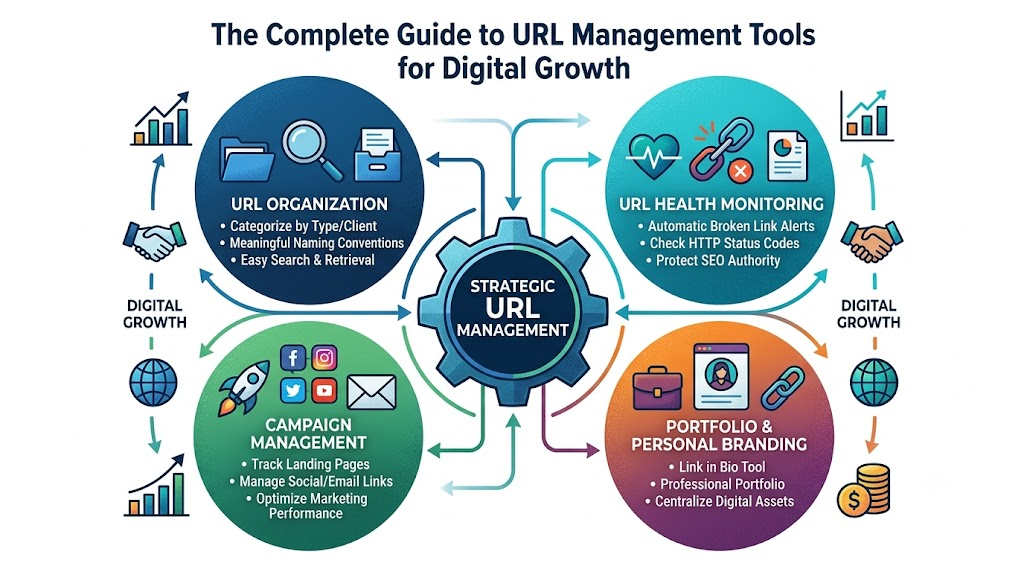
As digital ecosystems expand, managing web addresses, landing page campaigns, social media assets, and promotional channels becomes increasingly complex. Content creators, digital marketers, agency teams, and enterprise businesses constantly generate, share, and track thousands of web links across diverse channels. When a customer encounters a dead end or a broken link, trust drops instantly. Centralized link management solves this challenge by bringing all web assets into a unified control center. In this comprehensive guide, you will learn how a dedicated URL management tool simplifies digital organization, improves team collaboration, protects organic search performance, and streamlines multi-channel distribution. You will also discover how modern platforms like URLsNow empower professionals to maintain complete command over their online presence.
What is a URL Management Tool?
Definition
A URL management tool is a centralized software platform engineered to store, organize, track, monitor, and distribute web addresses from a single interface. Unlike basic link shorteners that only trim characters, a modern link management platform serves as an operational hub for digital asset management, link health auditing, campaign tracking, and personal branding.
How URL Management Works
At its core, a URL management system categorizes incoming links into structured collections, tags them with relevant metadata, monitors destination server responses, and provides sharing mechanisms such as custom short links, link-in-bio pages, or digital portfolios. When a user or crawler visits a managed link, the platform verifies routing integrity, tracks traffic metrics, and ensures the target page remains accessible.
+-------------------------------------------------------------------------+
|                      CENTRALIZED URL MANAGEMENT HUB                     |
+-------------------------------------------------------------------------+
|  Input Channels     -->  [ Central Dashboard ]  -->  Output Channels    |
|  - Marketing Links        - Categorization           - Link in Bio      |
|  - Blog Content           - Broken Link Audits       - Digital Portfolio|
|  - Business Listings      - Campaign Analytics       - Team Workspaces  |
+-------------------------------------------------------------------------+
Why Link Organization Matters
Web addresses represent gateway pathways to your products, content, and documentation. When links are left unorganized in disparate documents or chat channels, teams waste hours searching for active assets, accidentally deploy outdated campaign links, or fail to notice when critical landing pages go offline. Structured link organization creates a single source of truth across your entire organization.
Benefits of Centralized URL Management
- Immediate Accessibility: Locate any asset instantly using tags, folders, and real-time search.
- Proactive Maintenance: Identify server timeouts and redirection loops before users report them.
- Enhanced Security: Ensure all published assets adhere to secure HTTPS standards.
- Consistent Branding: Maintain custom domains across promotional links to build reader recognition.
Why Link Management is Important
Strategic link management directly impacts business productivity, customer experience, and organic search engine visibility.
- Better Organization: Structuring URLs logically mirror your brand hierarchy, making digital inventory clean and navigable.
- Improved Productivity: Team members no longer waste time digging through emails or messaging apps to find specific promotional or technical links.
- Easier Collaboration: Shared collection folders allow cross-functional teams to access approved assets seamlessly.
- Better User Experience: Visitors navigate smoothly without hitting frustrating 404 error pages or incorrect redirects.
- Stronger SEO Performance: Maintaining active, non-broken links preserves equity and ensures search bots crawl pages efficiently.
- Consistent Brand Presence: Standardizing how links are presented across platforms strengthens brand trust.
For instance, an e-commerce agency running seasonal promotions can use a centralized URLsNow Dashboard to manage all campaign landing pages. Instead of manually updating links across dozens of ad platforms, team members update destination parameters centrally, preventing costly ad spend on broken target pages.
Essential Features of a Modern Link Management Platform
A robust URL organizer tool goes beyond basic bookmarking, providing advanced governance features designed for modern digital workflows.
| Feature Category | Core Capability | Business Value |
| URL Organization | Folder, directory, & tag structures | Eliminates digital clutter and speeds up asset retrieval. |
| Collection Management | Grouping links by campaign or topic | Allows teams to package and share link bundles easily. |
| Tagging & Categorization | Multi-label metadata assignment | Enables precise filtering across thousands of links. |
| Search & Filtering | Real-time attribute search | Reduces asset search time from minutes to seconds. |
| Link Sharing | Custom short URLs & landing hubs | Enhances brand trust and click-through rates. |
| Team Collaboration | Shared workspaces & access roles | Prevents accidental link overwrites or unauthorized edits. |
Automatic Broken Link Monitoring
Why Broken Links Matter
Broken links—or 404 errors—occur when a web address points to a page or server that no longer exists. This happens due to domain changes, deleted content, altered slugs, or site migrations. Without an automated system, dead links remain undetected until potential customers complain or leave.
SEO Impact
Search engines like Google prioritize websites that provide clean, reliable navigation. According to Google Search Central, encountering frequent crawl errors or dead internal links wastes crawl budget and degrades page authority. Continuous automatic broken link monitoring alerts site owners to broken pathways instantly, allowing prompt resolution to protect organic search rankings.
User Experience & Maintenance
A user who encounters a dead link often abandons the session immediately, increasing bounce rates and reducing conversion opportunities. Utilizing a dedicated URL health monitoring tool automates routine auditing, ensuring every external asset and internal pathway remains active, functional, and secure.
Campaign Link Management for Marketers
Modern digital marketing relies heavily on precise attribution across multiple distribution channels. Using a specialized campaign link management tool gives marketers control over every touchpoint.
+-------------------------------------------------------------------------+
|                  CAMPAIGN LINK DISTRIBUTION WORKFLOW                    |
+-------------------------------------------------------------------------+
|  Primary URL  -->  [ Campaign Manager ]  --> Multi-Channel Tracking     |
|                    - Custom UTM Slugs        - Social Ads               |
|                    - Expiration Rules        - Email Newsletters        |
|                    - Real-Time Rerouting     - Affiliate Portals        |
+-------------------------------------------------------------------------+
- Landing Pages: Manage time-sensitive product launch pages without altering underlying code.
- Social Media Campaigns: Shorten, brand, and track promotional links across fast-moving social feeds.
- Email Marketing: Ensure links embedded in automated email sequences remain valid long after sending.
- Affiliate Marketing: Organize and monitor partner referral links to ensure accurate attribution and payout tracking.
- Content Promotion: Categorize guest posts, press releases, and sponsored content distribution assets efficiently.
Link Portfolio Management for Professionals
For consultants, freelancers, and agency leaders, showcasing professional achievements requires organizing work across multiple domains. A platform offering link portfolio management allows individuals to create interactive, structured hubs highlighting key assets:
- Published Articles: Curate guest posts and industry publications into categorized reading lists.
- Live Websites & Apps: Showcase active client builds and software projects.
- Case Studies & Media: Group video interviews, client testimonials, and downloadable assets.
- Certifications: Organize professional credentials and digital badges in a single profile.
- Business Profiles: Centralize links to company registries, professional directories, and social channels.
Free Link in Bio Tool for Creators
Social media platforms like Instagram and TikTok often restrict users to a single profile link. Utilizing a free link in bio tool helps creators bypass these limitations by transforming one URL into a branded, multi-destination landing page.
Creators can direct followers to their latest YouTube video, online store, podcast episode, or newsletter signup form simultaneously. Updating this central hub dynamically ensures audience members always find relevant content without forcing creators to edit social profile settings constantly.
Content Link Management for Bloggers & Publishers
Managing an active blog or news site involves handling hundreds of internal and external references. Implementing a structured content link management tool simplifies editorial governance:
- Organizing Article Archives: Group blog post URLs by category, publication date, or performance status.
- Tracking External Sources: Monitor cited external research studies, documentation, and partner references.
- Updating Outdated Links: Swap out dead citations or outdated product pages across legacy articles centrally.
- Managing Internal Link Networks: Ensure core pillar posts receive consistent internal link support to boost search relevance.
Digital Footprint Management
Your digital footprint consists of every URL, social profile, press release, directory listing, and published asset associated with your name or business across the web. Utilizing a digital footprint management tool allows brands to monitor, audit, and clean up this online identity systematically.
Maintaining control over your digital footprint prevents brand dilution, ensures obsolete promotional pages do not confuse customers, and protects business reputation by removing or redirecting unmaintained assets.
URLsNow for Different User Types
The URLsNow Features ecosystem delivers tailored benefits across diverse roles and industries:
Bloggers
Categorize draft resources, track affiliate partner links, and perform automated health audits across historical content to preserve ad revenue and search authority.
Content Creators
Build custom, high-converting bio pages, showcase multi-channel media portfolios, and share curated resource collections directly with audience members.
Digital Marketers
Organize complex campaign assets, standardize tracking parameters, and monitor promotional landing pages to eliminate dead clicks during paid campaigns.
Businesses
Maintain a centralized directory of corporate web properties, help desk documentation, regional landing pages, and official press releases.
Agencies
Manage client link inventories in isolated team workspaces, track campaign destinations, and deliver curated link deliverables to stakeholders.
Developers
Organize technical API documentation, open-source repository paths, and staging environments using structured tags and clean folder hierarchies.
Freelancers
Deliver polished, branded work portfolios to prospects and track work references easily within a single unified dashboard.
Students & Researchers
Curate, tag, and organize academic web sources, research papers, and study materials into clean, shareable research collections.
Best Practices for Managing URLs Effectively
Implementing disciplined URL governance prevents digital sprawl and protects your search engine rankings over time.
- Organize Links by Logical Category: Group URLs using intuitive folder structures and descriptive tags.
- Monitor Broken Links Proactively: Schedule automated health scans to catch server errors or broken redirects immediately.
- Maintain Clean Naming Conventions: Use simple, lowercase, hyphen-separated slugs that clearly communicate destination content according to guidelines from the Mozilla Developer Network.
- Audit Digital Assets Periodically: Review older collections quarterly to archive obsolete assets or update destination targets.
- Centralize Team Access: Ensure all marketing and operational links reside in shared workspaces rather than personal browser bookmarks.
- Use HTTPS Everywhere: Secure all managed web addresses with valid SSL encryption to protect user data and maintain search engines’ favor.
Common URL Management Mistakes
Avoiding operational missteps keeps your online presence functional and secure.
- Ignoring Dead Links: Allowing broken 404 pages to accumulate damages user trust and degrades search engine authority.
- Relying on Personal Browser Bookmarks: Storing critical business links locally leads to asset loss when team members transition out of roles.
- Creating Duplicate Resources: Generating multiple short links for the same target URL creates reporting confusion and dilutes tracking data.
- Overlooking Campaign Expiration: Leaving active ad campaigns pointing to expired landing pages wastes budget and frustrates customers.
- Inconsistent URL Structure: Mixing uppercase letters, underscores, or unnecessary query parameters creates indexing issues on major search platforms.
The Future of URL Management
As digital ecosystems become increasingly automated, link management platforms are evolving into comprehensive web asset control centers.
Artificial intelligence now powers automated link categorization, suggesting optimal tagging schemes and flagging outdated content automatically. Real-time URL health monitoring is becoming standard, integrating directly with notification tools like Slack or email to alert developers the moment a server drops connection.
Furthermore, as the creator economy grows, personal branding platforms will demand tighter integration between custom domain management, portfolio generation, and campaign tracking. Centralized platforms that unify these functions into a single dashboard will define the next era of online presence management.
How URLsNow Helps Users Stay Organized
Navigating complex digital environments requires modern software tailored to web organization. URLsNow provides an all-in-one platform built to simplify how you manage, track, and share digital assets.
Through its intuitive URLsNow Dashboard, users organize thousands of links into customizable URLsNow Collections. Built-in URLsNow Link Monitoring continuously audits link health, alerting you to broken redirects or server timeouts before they impact your business.
Whether building a sleek bio profile using the URLsNow Link in Bio feature or managing complex multi-channel assets via URLsNow Campaign Management, the platform provides the security, flexibility, and visibility needed to scale your digital presence effortlessly.
Frequently Asked Questions (FAQ)
What is a URL management tool?
A URL management tool is a software platform designed to organize, store, monitor, tag, and share web addresses from a single dashboard.
Unlike simple bookmarking tools, advanced link management platforms offer automatic broken link monitoring, campaign tracking, link-in-bio generation, and team collaboration features, making them essential for modern creators, businesses, and digital marketers.
Why is link management important?
Link management prevents digital sprawl, improves team productivity, and protects customer experience by ensuring all web links remain organized, accessible, and active.
Proper link organization improves SEO by eliminating broken crawl paths, allowing businesses to maintain a clean digital footprint across multiple channels.
How does broken link monitoring work?
Broken link monitoring tools continuously check managed URLs by sending automated server requests to destination pages.
If a link returns a 404 error, server timeout, or redirect failure, the platform flags the issue instantly. This allows site owners and marketers to fix broken links before they harm user experience or search rankings.
What is URL health monitoring?
URL health monitoring is the process of tracking the operational status, response speed, security configuration (HTTPS), and accessibility of web addresses.
By continuously tracking link health, businesses prevent dead links in ad campaigns, protect organic search equity, and ensure seamless user navigation.
What is a link portfolio?
A link portfolio is a curated visual showcase that organizes an individual’s or brand’s published work, projects, articles, case studies, and corporate profiles into a shareable web page.
It allows freelancers, agencies, and professionals to demonstrate expertise and present their digital footprint cleanly to prospective clients.
How does a link in bio tool help creators?
A link-in-bio tool allows creators to share multiple web destinations through a single bio link on social media platforms like Instagram or TikTok.
It provides a customizable landing page where followers can easily access online stores, latest video uploads, blog posts, and newsletter subscription forms simultaneously.
Why should businesses organize URLs?
Businesses should organize URLs to streamline team collaboration, safeguard campaign investments, and maintain consistent brand messaging across regional and promotional websites.
Centralized link management ensures employees always access approved, active web assets while preventing dead links in customer-facing communication.
Can URL management improve SEO?
Yes, systematic URL management directly benefits search engine optimization. By auditing broken links, maintaining clean URL structures, and preventing duplicate link paths, site owners ensure search bots crawl and index pages efficiently without wasting crawl budget.
Who should use URLsNow?
URLsNow is designed for bloggers, content creators, digital marketers, agency teams, enterprise businesses, developers, and freelancers who need to organize, audit, and share web links efficiently from a single control center.
How often should links be audited?
Links should ideally be audited continuously using automated monitoring tools. For static websites or manual reviews, conducting a comprehensive link audit monthly or quarterly ensures broken links, expired redirects, and changed destinations are addressed promptly.
Conclusion
Managing web assets systematically is no longer optional for businesses, creators, and marketers operating in today’s multi-channel environment. Unorganized links, dead end pages, and broken campaign URLs silently degrade user trust, hurt conversion rates, and damage organic search engine visibility. Adopting a dedicated URL management tool provides the structure, security, and real-time oversight needed to maintain complete control over your online assets. By centralizing link inventories, automating health audits, and utilizing shareable bio hubs and portfolios, professionals eliminate daily operational friction while protecting their digital footprint.
