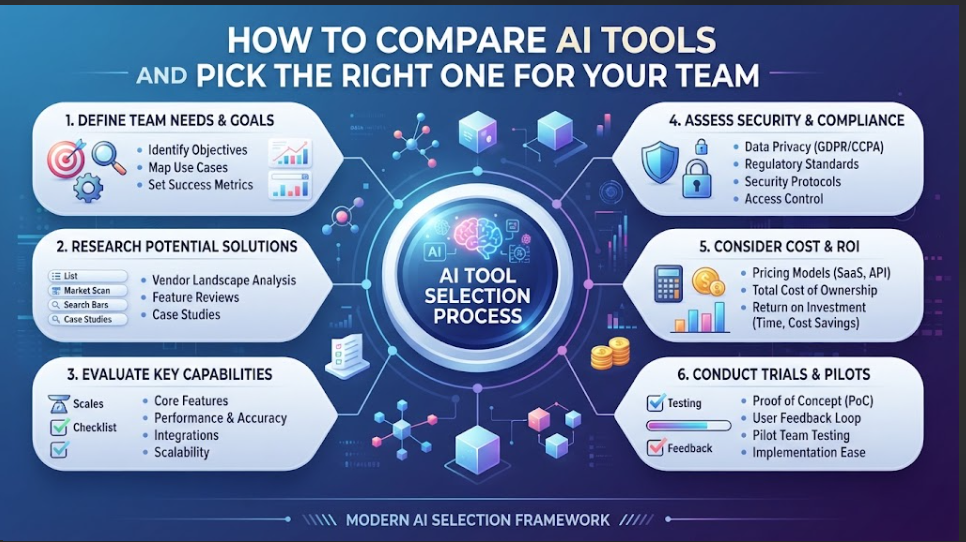
Running any modern team means dealing with constant software decisions, but finding apps that genuinely solve daily headaches is rarely easy. Every landing page makes huge claims about saving you time, yet companies keep pouring cash into fancy tools that end up totally abandoned. This expensive habit happens when managers get swayed by slick pitch slides instead of checking what daily workers actually need. You do not need confusing tech talk, aggressive sales calls, or paid hype to build an efficient company setup. Instead, you need clear facts, real-world testing, and simple side-by-side data to safeguard your monthly budget. Independent research platforms like BestAIToolix.com help buyers solve this problem by sharing honest, fact-first evaluations so you can pick dependable tools with complete confidence.
What is BestAIToolix.com
BestAIToolix.com serves as a neutral research catalog built to make app discovery painless for busy teams. It arranges business platforms and technical utilities into clean, easily searchable collections. You can filter candidate tools by pricing tiers, device compatibility, team headcounts, and key functional needs. The site puts every app through authentic everyday work scenarios instead of echoing marketing handouts. Software vendors cannot pay for high scores or sponsor their way onto lists. Every review sticks to transparent testing rules that measure real output, overall speed, and everyday ease of use. This unbiased framework gives growing companies an honest resource for discovering solid digital products without stress.
The Need for a Structured Software Catalog
Starting your software hunt through an ordinary search bar quickly leads to sheer information overload. You get bombarded by sponsored promotions, paid affiliate write-ups, and aggressive advertising banners that gloss over serious software flaws. Sorting through all that noise eats up hours of valuable working time. A well-organized software directory removes that headache by sorting apps into clean, dedicated functional areas. You can head straight into billing engines, team communication channels, or developer toolkits in seconds. Browsing grouped listings allows you to inspect all viable competitors together on one screen. That way, you never overlook a fantastic tool simply because an indie software creator lacks a massive marketing budget.
Finding the Right Tools for Your Work
Every business operates on its own unique rhythm, so an app that saves one office might easily slow another down. A solo contractor requires simple layouts, quick mobile navigation, and cheap starter rates. A growing design studio requires collaborative project boards, granular security roles, and reliable history logs. If you want to identify the best software tools, begin by looking closely at your weekly logjams. Note down the two most frustrating chores that steal the most hours from your workers every single week. Search for platforms built specifically to fix those exact bottlenecks. Ensure the user interface feels natural on your team’s everyday laptops and mobile phones. Apps that match your team’s natural working style get adopted without any resistance.
Why Neutral Feedback Matters
User ratings on the open web can easily trick you if you do not stay alert. Many software portals take hidden cash incentives or referral fees to push specific products into their top spots. These paid endorsements leave out frequent software bugs, slow loading times, and unhelpful support desks. Dependable software reviews must come from hands-on use during regular working days under tight project deadlines. You should always trust independent software reviews that decline vendor cash and sponsored placements. Honest evaluations highlight both the best features and the annoying flaws of each product. Knowing where a program struggles before you enter company payment details keeps you from dealing with expensive buyer remorse.
Key Evaluation Factors When Choosing Software
Use this practical checklist to test candidate tools before committing your company budget:
| Evaluation Factor | What to Look For | Why It Matters for Teams |
| Simple Design | Clean dashboards and intuitive navigation | Clear layouts ensure your employees understand the software right away. |
| Honest Pricing | Plain user seat costs and zero surprise add-ons | Transparent rates keep your monthly overhead stable as you add team members. |
| Reliable Sync | Smooth connections with email, chat, and cloud storage | Connected systems prevent workers from typing identical data into different tools. |
| Fast Support | Live help chat and clear user guides | Swift answers stop unexpected technical issues from delaying client deliveries. |
| Data Defense | Strong file encryption and regular system backups | Secure setups protect sensitive client records from accidental data leaks. |
Exploring the Rise of Machine Learning Apps
Smart automation is completely transforming how team members draft customer emails, build software code, and prepare presentations. Modern applications can rewrite support tickets, catch coding bugs instantly, and pull concise summaries from long conference calls. With dozens of novel automation utilities launching across the web each week, sorting durable utilities from unstable weekend hacks takes effort. A verified AI tools directory helps you find secure, reliable machine learning platforms without wasting days on broken trials. You can easily uncover sturdy tools that speed up routine tasks without exposing private company assets to the public. Bringing the best AI tools into your workflow gives your staff more time to focus on creative strategy.
How to Evaluate AI Products Side by Side
Not every machine learning product delivers the same balance of speed, accuracy, and user privacy. Some apps crawl to a dead halt during peak business hours. Other tools claim rights to use your private team prompts to train their public data models. When you compare AI tools, test each candidate with your actual weekly assignments. Give three competing programs the exact same prompt and study the accuracy of their answers side by side. Pay attention to how many seconds each tool takes to finish the task. Check the vendor’s legal agreements to make sure they promise never to share your internal files.
Making Smart Choices for Companies
Purchasing software for an entire organization involves much higher stakes than picking an app for yourself. You have to balance your current operational costs with your projected hiring targets over the next few quarters. A systematic business software comparison helps you see if an application can keep up as your business takes on more clients. It also reveals whether a software company charges extra penalty fees whenever you add another team member. Running a careful software comparison keeps your firm from buying multiple subscriptions that solve the exact same task. Maintaining a lean software stack keeps your team focused and lowers unnecessary expenses.
Comparing Tool Options for Different Business Needs
Check this comparison guide to pick the right software tier for your current business stage:
| Business Stage | Main Software Need | Critical Feature | Risk to Avoid |
| Solo Operator | Simple client billing and daily task logs | Low flat fee and responsive mobile access | Paying for complex team dashboards that you never open. |
| Small Studio (2-12) | Shared task boards and fast group chats | Easy staff invites and fast file sharing | Choosing heavy corporate platforms that require weeks of training. |
| Mid-Sized Firm (12-50) | Central data stores and activity tracking | Custom user roles and flexible sync links | Storing company data across separate tools that cannot talk to each other. |
| Large Company (50+) | Strict security locks and compliance | Single login tools and open API keys | Overlooking regional data safety rules and strict corporate compliance. |
The Complete Step-by-Step Purchase Roadmap
A methodical buying routine prevents expensive waste and keeps your colleagues happy. Following a structured software buying guide keeps your search focused from your initial idea to the final rollout. Start by setting a firm budget ceiling before you ever speak to a sales representative. Next, sign up for free trial accounts and invite the people who will actually use the software every day to test it. Have them complete their regular assignments inside the trial platform for two weeks. Finally, send a test question to the vendor’s help desk to see how quickly they respond. A responsive support team during a trial usually indicates reliable service down the road.
Real-Life Scenarios and Team Experiences
- The Startup Overload Dilemma: An early-stage design team signed up for an expensive project management suite with countless dials and settings. The confusing layout drove everyone away, so the team tracked work on sticky notes. They switched to a clean checklist app and finished their tasks on time.
- The AI Vendor Collapse: A boutique marketing group signed an annual deal with a new AI content tool they discovered on social media. Three months in, the developer ran out of funding and turned off the servers. The group now relies on month-to-month plans whenever they test new automation software.
- The Accidental Duplicate Trap: A financial controller discovered that sales, product, and client service teams were paying for three separate document storage accounts. Merging all three groups into one unified business drive cut their annual cloud expenses by forty percent.
Common Mistakes to Avoid When Buying Software
- Locking into Long Deals Early: Avoid signing annual contracts before your employees use the platform for thirty days.
- Ignoring User Privacy Agreements: Budget software makers sometimes balance low prices by selling user activity logs to marketing brokers.
- Overlooking Mandatory Setup Costs: Some platforms look cheap up front but add expensive onboarding fees at checkout.
- Chasing Social Media Trends: Never buy an app simply because influencers are talking about it online this week.
- Leaving Out Your Daily Workers: Executives who buy software without consulting their front-line staff end up with ignored tools.
- Failing to Test Data Exports: Verify that you can extract your information in standard file formats whenever you decide to move on.
- Collecting Redundant Tools: Audit your active software subscriptions to ensure you do not buy tools that do what your current apps already do.
- Disregarding Team Onboarding Time: Complex platforms can bring everyday work to a standstill for several weeks while staff learns the system.
How BestAIToolix.com Can Help
BestAIToolix.com makes the buying journey simple by stripping out aggressive marketing language and confusing sales tactics. The portal features side-by-side matrices that line up prices, user limits, and real-world performance on a single screen. Independent analysts review every catalog listing weekly so you never have to make choices based on outdated pricing data. You can inspect honest scorecards that evaluate speed, real-world utility, and customer service. This clean layout lets you identify software that fits your company’s daily workflow without stretching your operating budget.
A Simple 7-Step Tool Selection Process
Follow this straightforward process whenever your business needs to purchase a new digital application:
- Goal: Summarize the core workplace problem you want to solve in a single sentence.
- Search: Browse organized catalogs to find tools created specifically for your sector.
- Shortlist: Select three candidates that fit your budget, seat count, and core functional needs.
- Compare: Lay their feature sets side by side to see how they handle your routine operations.
- Ask: Message each vendor’s help desk to gauge their response time and helpfulness.
- Verify: Read independent customer opinions to uncover recurring software glitches and billing practices.
- Decide: Start on a flexible month-to-month plan so you can change tools as your business evolves.
Frequently Asked Questions
Question 1: How can I tell if a software review is trustworthy?
Look for reviews that point out functional limitations right alongside positive points. Dependable reviews share real test screenshots and detail how the software behaves during regular work routines. Be skeptical of reviews that only offer praise and place bright purchase links throughout the text. Honest platforms always publish their evaluation criteria.
Question 2: Is it better to select monthly or yearly software billing?
Choose month-to-month billing whenever you bring an unfamiliar program into your company. A monthly subscription allows you to walk away painlessly if your staff finds the interface clunky or confusing. Move to a discounted annual agreement only after your team uses the app without issues for several consecutive months.
Question 3: What is the most expensive mistake teams make when buying tools?
The most damaging mistake is purchasing software without gathering feedback from the daily users. Leaders frequently get excited by polished sales presentations that turn out to be far too complicated for routine work. Always have your front-line employees test candidate tools in a trial before spending any company money.
Question 4: How many software tools does a growing business actually need?
Most growing businesses can operate smoothly with just four essential software applications. You only need an email suite, an internal chat hub, a bookkeeping app, and a shared task board. Adding endless single-purpose apps clutters your daily workflow and quickly drives your recurring software overhead through the roof.
Question 5: Are free software tiers safe for everyday business tasks?
Free plans can handle basic personal tasks, but they rarely include the data protections that companies require. Most free packages lack advanced security controls, audit logs, and automatic file backups. Read through the security policy before you store sensitive client information inside a free software account.
Question 6: How can I confirm that an AI tool keeps our data private?
Review the privacy policy for a clear statement regarding your team’s input data. Dependable providers state plainly that customer prompts will not be stored for public model training or shared with external parties. If a vendor hides its data policy in vague language, search for a more transparent platform.
Question 7: What does software integration mean in simple language?
Integration simply means that two separate computer programs can exchange data automatically without human effort. For example, when an online store sends a new sale directly to your accounting software, that is an integration. It removes the slow chore of typing the same information across different apps.
Question 8: Why do software renewal rates often jump after year one?
Many software makers offer low starter prices to encourage businesses to adopt their systems. Once your team sets up its daily routines and stores data there, the price moves back to standard rates. Always ask the sales team to put second-year renewal rates in writing before agreeing to a contract.
Question 9: How long should our business run a software trial?
A realistic software evaluation should run for two to three full weeks. That timeframe gives your staff enough time to run standard work routines and complete regular weekly summaries. Shorter evaluations rarely reveal hidden interface flaws or irritating operational limits that show up during heavy daily usage.
Question 10: Should a small business develop internal software instead of buying?
Creating custom software demands large capital reserves, specialized technical talent, and ongoing security work. Small and mid-sized businesses should almost always purchase proven tools already available on the open market. Only build custom platforms if your core commercial service demands a proprietary tool that does not exist.
Question 11: How do I get my team to adopt a new software tool?
Designate one motivated team member to master the platform and learn its most helpful features first. Have that person lead a focused half-hour training session for the rest of your staff. Keeping initial tasks easy builds team confidence and helps turn the app into an everyday habit.
Question 12: How frequently should our company review its active software subscriptions?
Review your active software subscriptions every six months to keep operating costs lean. Inspect login records to identify user accounts and tools that have sat unused for ninety days. Canceling forgotten accounts and removing unneeded software protects your budget and keeps your digital workspace tidy.
Conclusion
Picking effective software comes down to defining clear operational goals, testing candidate tools alongside your team, and verifying true costs early. Never let flashy marketing materials distract you from the simple functional needs of your daily operations. Take advantage of sandbox trial accounts, read independent reviews, and confirm that your tools connect smoothly with one another. When you pick software based on honest facts rather than aggressive advertising, your business protects its capital and gets work done faster. Look to BestAIToolix.com as your dependable guide to evaluate, compare, and select dependable software tools for your team’s ongoing success.
