Introduction
Concept Testing Platforms are specialized tools that help businesses evaluate new ideas, products, or campaigns before launch. They allow marketers, product managers, and agencies to collect feedback from target audiences, test messaging, and validate hypotheses quickly and efficiently. In , these platforms are increasingly leveraging AI, automation, and advanced analytics to provide actionable insights faster than ever.
Real-world use cases include:
- Testing new product concepts before production to minimize market risk.
- Validating marketing messaging, slogans, or advertisements with target audiences.
- Running virtual focus groups or online surveys to collect real-time feedback.
- Identifying audience preferences and likelihood to purchase or engage.
- Comparing multiple concepts to prioritize development or campaign strategies.
When evaluating a platform, buyers should consider:
- Ease of creating and distributing concept tests
- Participant recruitment and demographic targeting
- Analysis tools, AI insights, and reporting capabilities
- Integration with survey, CRM, and analytics platforms
- Security, compliance, and data privacy features
- Cost structure and subscription flexibility
- Scalability for enterprise or SMB use
- Support, onboarding, and community resources
- Multichannel capabilities (web, mobile, social)
Best for: Marketing teams, product managers, brand strategists, agencies, and enterprises testing new concepts at scale.
Not ideal for: Organizations that only need basic polling or ad hoc feedback; simple surveys may suffice for low-budget or one-off projects.
Key Trends in Concept Testing Platforms
- AI-driven concept scoring: Automated evaluation of audience responses and sentiment.
- Real-time feedback collection: Instant analysis of live virtual sessions and surveys.
- Cross-platform participant engagement: Web, mobile, and social channels combined in a single platform.
- Advanced segmentation and targeting: Demographics, behavior, and psychographics used for recruitment.
- Automated reporting and dashboards: Instant visualization of insights with actionable metrics.
- Integration with MarTech stack: Syncing with CRM, marketing automation, and analytics tools.
- Compliance-first data handling: GDPR, CCPA, and other privacy regulations built-in.
- Gamified participation: Incentivized responses for higher engagement and quality feedback.
- Flexible subscription models: Tiered pricing for SMB, mid-market, and enterprise teams.
How We Selected These Tools (Methodology)
- Evaluated market adoption and customer mindshare.
- Assessed feature completeness for concept design, distribution, and analytics.
- Measured platform reliability and performance across multiple campaigns.
- Verified security posture: SSO, encryption, audit logs, and compliance certifications.
- Considered ecosystem and integrations with surveys, CRMs, and analytics tools.
- Evaluated usability, reporting, and collaboration capabilities.
- Verified applicability across solo, SMB, mid-market, and enterprise use cases.
- Reviewed customer feedback and industry reputation for reliability.
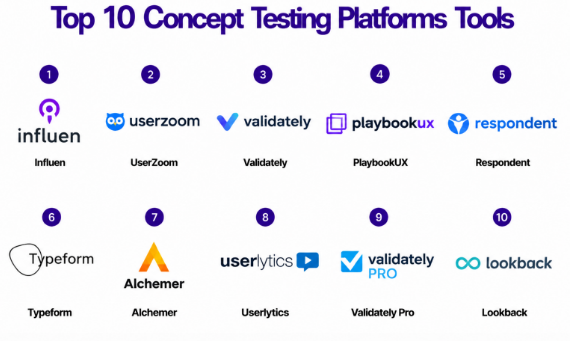
Top 10 Concept Testing Platforms Tools
1- Influen
Short description: Influen offers end-to-end concept testing, from idea creation to audience feedback analysis. Designed for marketers and product managers, it helps prioritize ideas and refine messaging before launch.
Key Features
- AI-assisted scoring and audience insights
- Real-time survey and test distribution
- Video and interactive content support
- Detailed demographic and behavioral segmentation
- Automated reporting dashboards
- Participant engagement tracking
Pros
- Comprehensive AI-driven analysis
- Easy-to-use interface for campaign creation
Cons
- Limited offline testing capabilities
- Initial setup can be complex
Platforms / Deployment
- Web / iOS / Android
- Cloud
Security & Compliance
- SSO, encryption, GDPR
- Not publicly stated for SOC/ISO certifications
Integrations & Ecosystem
Integrates with CRM, analytics, and survey platforms.
- Salesforce
- HubSpot
- Slack
- Zapier
- API access for custom workflows
Support & Community
- Knowledge base, webinars, email support
- Community forums for collaboration
2- UserZoom
Short description: UserZoom is designed for digital product concept testing and UX research. It enables organizations to test product ideas and digital experiences with real users across multiple devices.
Key Features
- Online surveys and usability testing
- Concept validation through video and interactive tasks
- Automated scoring and insights dashboards
- Participant recruitment and targeting
- Data visualization and reporting
Pros
- Supports both product and UX concept testing
- Strong analytics and visualization features
Cons
- Pricing may be high for SMBs
- Advanced features require training
Platforms / Deployment
- Web / iOS / Android
- Cloud
Security & Compliance
- SSO, encryption, GDPR
- Not publicly stated for SOC/ISO certifications
Integrations & Ecosystem
- CRM integrations
- Survey tools
- API for custom data workflows
Support & Community
- Onboarding assistance, email support, tutorials
3- Validately
Short description: Validately focuses on rapid concept testing and prototype validation for product teams. It allows early-stage feedback from target users to inform design and development decisions.
Key Features
- Rapid test creation and distribution
- Video and screen recording
- Interactive prototype testing
- Participant recruitment and segmentation
- Automated insight collection
Pros
- Quick turnaround for concept feedback
- Integrates well with design and prototyping tools
Cons
- Limited support for offline or hybrid sessions
- Reporting may require external tools
Platforms / Deployment
- Web
- Cloud
Security & Compliance
- SSO, encryption
- GDPR compliant
Integrations & Ecosystem
- Figma
- InVision
- Slack
- APIs for custom integration
Support & Community
- Documentation, onboarding tutorials, email support
4- PlaybookUX
Short description: PlaybookUX enables concept testing via video, survey, and interactive research. Ideal for product teams and marketers needing validated insights before campaigns or product launches.
Key Features
- Automated participant recruitment
- Video, audio, and screen-sharing testing
- Concept scoring and sentiment analysis
- Collaboration and tagging for teams
- Dashboard reporting and exports
Pros
- Easy to set up and execute tests
- Supports multiple feedback channels
Cons
- Limited integrations for enterprise software
- Smaller participant pools may require multiple sessions
Platforms / Deployment
- Web / iOS / Android
- Cloud
Security & Compliance
- Encryption, SSO
- GDPR compliant
Integrations & Ecosystem
- Slack
- HubSpot
- Export to CSV/Excel
- API access
Support & Community
- Knowledge base, email support, tutorials
5- Respondent
Short description: Respondent focuses on participant recruitment and research automation, streamlining concept testing for product and marketing teams.
Key Features
- Verified participant database
- Online concept testing surveys
- Video-based feedback
- Incentive management
- Real-time analytics dashboards
Pros
- Quick access to targeted participants
- Streamlined incentive management
Cons
- Limited AI analysis capabilities
- Platform customization options are basic
Platforms / Deployment
- Web / iOS / Android
- Cloud
Security & Compliance
- Encryption, GDPR
- Not publicly stated for SOC/ISO
Integrations & Ecosystem
- Slack
- Zapier
- Survey tools
- API access
Support & Community
- Email support, webinars, knowledge base
6- Typeform
Short description: Typeform allows teams to design interactive surveys for concept testing with user-friendly interfaces and conversational forms.
Key Features
- Drag-and-drop survey creation
- Interactive logic flows and branching
- Multimedia support in surveys
- Real-time data reporting
- Collaboration and team dashboards
Pros
- Highly intuitive interface
- Supports visually rich surveys
Cons
- Limited advanced analytics
- Not tailored for large enterprise research
Platforms / Deployment
- Web / iOS / Android
- Cloud
Security & Compliance
- Encryption, SSO
- GDPR compliant
Integrations & Ecosystem
- Salesforce
- HubSpot
- Zapier
- APIs
Support & Community
- Documentation, email support, tutorials
7- Alchemer
Short description: Alchemer provides enterprise-grade survey and concept testing tools with powerful reporting and analytics for product and marketing teams.
Key Features
- Advanced survey creation
- Logic and branching for concept tests
- Participant targeting
- Reporting dashboards with visualization
- Collaboration tools
Pros
- Enterprise-focused feature set
- Strong reporting and analytics
Cons
- Steeper learning curve
- Pricing can be high for SMBs
Platforms / Deployment
- Web
- Cloud
Security & Compliance
- SSO, encryption
- GDPR, SOC 2 Not publicly stated
Integrations & Ecosystem
- Salesforce
- HubSpot
- Slack
- API
Support & Community
- Dedicated support, tutorials, onboarding
8- Userlytics
Short description: Userlytics enables both concept testing and usability research, allowing teams to test ideas with real users and receive qualitative feedback.
Key Features
- Remote testing via video
- Prototype and concept testing
- Participant recruitment and segmentation
- Dashboard reporting and analytics
- Collaboration and annotation
Pros
- Supports both concept testing and usability studies
- Easy participant targeting
Cons
- Less suitable for large enterprise sessions
- Limited offline testing
Platforms / Deployment
- Web / iOS / Android
- Cloud
Security & Compliance
- Encryption, SSO
- GDPR compliant
Integrations & Ecosystem
- Slack
- Trello
- APIs
Support & Community
- Tutorials, email support, knowledge base
9- Validately Pro
Short description: Validately Pro is designed for enterprise teams to validate concepts and prototypes with targeted user panels and advanced reporting.
Key Features
- Enterprise participant management
- Live and recorded sessions
- Automated scoring and insights
- Dashboard reporting
- Integration with enterprise tools
Pros
- Scalable for enterprise concept testing
- Advanced reporting and analytics
Cons
- Higher learning curve
- Requires structured onboarding
Platforms / Deployment
- Web
- Cloud
Security & Compliance
- SSO, encryption
- GDPR compliant
Integrations & Ecosystem
- Salesforce
- Slack
- API endpoints
Support & Community
- Enterprise support, knowledge base, webinars
10- Lookback
Short description: Lookback allows product and marketing teams to conduct remote concept testing and prototype validation with real-time feedback.
Key Features
- Live video and screen sharing
- Participant recruitment
- Interactive feedback collection
- Analytics dashboards
- Exportable reports
Pros
- Real-time insights and participant engagement
- Mobile and desktop support
Cons
- Less robust for large enterprise deployments
- Limited AI-assisted analytics
Platforms / Deployment
- Web / iOS / Android
- Cloud
Security & Compliance
- SSO, encryption
- GDPR compliant
Integrations & Ecosystem
- Slack
- Trello
- HubSpot
- API endpoints
Support & Community
- Email support, tutorials, webinars
Comparison Table (Top 10)
| Tool Name | Best For | Platform(s) Supported | Deployment | Standout Feature | Public Rating |
|---|---|---|---|---|---|
| Influen | Mid/large brands | Web, iOS, Android | Cloud | AI-assisted scoring | N/A |
| UserZoom | Product & UX | Web, iOS, Android | Cloud | Digital UX concept validation | N/A |
| Validately | Product teams | Web | Cloud | Prototype testing | N/A |
| PlaybookUX | Marketing & product | Web, iOS, Android | Cloud | Automated participant recruitment | N/A |
| Respondent | Market research | Web, iOS, Android | Cloud | Verified participant database | N/A |
| Typeform | SMBs | Web, iOS, Android | Cloud | Interactive surveys | N/A |
| Alchemer | Enterprise | Web | Cloud | Advanced survey logic | N/A |
| Userlytics | Product & marketing | Web, iOS, Android | Cloud | Usability + concept testing | N/A |
| Validately Pro | Enterprise | Web | Cloud | Enterprise panels | N/A |
| Lookback | Product teams | Web, iOS, Android | Cloud | Real-time participant feedback | N/A |
Evaluation & Scoring of Survey Tools
| Tool Name | Core (25%) | Ease (15%) | Integrations (15%) | Security (10%) | Performance (10%) | Support (10%) | Value (15%) | Weighted Total |
|---|---|---|---|---|---|---|---|---|
| Influen | 9 | 8 | 8 | 7 | 9 | 7 | 8 | 8.2 |
| UserZoom | 8 | 8 | 7 | 7 | 8 | 7 | 7 | 7.5 |
| Validately | 8 | 7 | 7 | 7 | 8 | 7 | 7 | 7.4 |
| PlaybookUX | 8 | 8 | 7 | 7 | 8 | 7 | 7 | 7.5 |
| Respondent | 7 | 8 | 6 | 7 | 7 | 6 | 7 | 7.0 |
| Typeform | 7 | 9 | 6 | 6 | 7 | 6 | 7 | 7.0 |
| Alchemer | 9 | 7 | 7 | 7 | 8 | 7 | 7 | 7.9 |
| Userlytics | 8 | 8 | 7 | 7 | 8 | 7 | 7 | 7.5 |
| Validately Pro | 9 | 7 | 7 | 7 | 8 | 7 | 8 | 7.9 |
| Lookback | 8 | 8 | 7 | 7 | 8 | 7 | 7 | 7.5 |
Interpretation: Weighted totals reflect comparative evaluation across core features, usability, integrations, security, and value. Higher scores indicate stronger overall performance for different team sizes and research needs.
Which Survey Tool Is Right for You?
Solo / Freelancer
Typeform, PlaybookUX, or Lookback are intuitive, cost-effective, and allow rapid feedback collection.
SMB
Influen, Respondent, or Userlytics provide comprehensive concept testing with participant recruitment and analytics.
Mid-Market
Validately, PlaybookUX, or UserZoom support larger teams and multi-channel concept validation.
Enterprise
Alchemer, Validately Pro, or Influen provide advanced analytics, AI insights, and enterprise-scale participant management.
Budget vs Premium
Budget: Typeform, Lookback – affordable and quick to deploy.
Premium: Validately Pro, Alchemer – enterprise-grade insights, automation, and reporting.
Feature Depth vs Ease of Use
Simple: Typeform, Lookback.
Advanced features: Influen, Validately Pro, Alchemer.
Integrations & Scalability
Enterprise tools with APIs and CRM integrations are suitable for scaling complex concept testing campaigns.
Security & Compliance Needs
All enterprise-focused tools offer SSO, encryption, and GDPR compliance. SOC/ISO certifications should be verified for regulated industries.
Frequently Asked Questions (FAQs)
1- What is the cost of concept testing platforms?
Pricing varies. SMB tools like Typeform are subscription-based, while enterprise tools such as Validately Pro require custom pricing.
2- Can these platforms recruit participants for tests?
Yes, most platforms include participant recruitment with demographic and behavioral targeting.
3- Are these tools secure for sensitive data?
Enterprise platforms use encryption, SSO, and GDPR-compliant processes; always verify certifications for compliance needs.
4- Can I run tests across multiple channels?
Yes, web, mobile, and sometimes social media channels are supported depending on the platform.
5- How easy is it to onboard a team?
Ease depends on platform complexity; SMB platforms are intuitive, while enterprise solutions may require structured onboarding.
6- Do these platforms provide AI-assisted insights?
Some tools offer AI scoring and sentiment analysis to accelerate decision-making.
7- Can I conduct both live and asynchronous tests?
Yes, platforms like PlaybookUX, Userlytics, and Lookback support live and asynchronous sessions.
8- How are insights and reports delivered?
Dashboards, exportable charts, and analytics summaries are standard, often with automated insights.
9- What are common mistakes when using these tools?
Mistargeting participants, over-relying on AI without human validation, and neglecting testing logic or branching are frequent errors.
10- Are there alternatives for small-scale testing?
Simple surveys or lightweight feedback forms may suffice for low-budget, one-off concept tests.
Conclusion
Concept Testing Platforms have become indispensable in for validating product ideas, campaigns, and prototypes. The right platform depends on team size, research scale, and budget. Freelancers and SMBs may prefer Typeform, Lookback, or PlaybookUX, while mid-market and enterprise teams benefit from AI insights, large-scale participant management, and advanced reporting with Influen, Validately Pro, or Alchemer. Begin by shortlisting 2–3 platforms, run pilot tests, and validate integration, security, and data workflows before scaling.
