Introduction
Incident management is a crucial aspect of IT service management (ITSM) that involves detecting, responding to, and resolving incidents to minimize their impact on the organization and ensure business continuity. As organizations become more complex and dependent on technology, effective incident management tools are necessary to respond to IT incidents quickly and efficiently. These tools help teams track, manage, and resolve incidents on time, reducing downtime and improving service quality.
In this blog, we’ll explore some of the best incident management tools available today, examining their features, benefits, and how they can help businesses maintain smooth operations. Whether you’re part of a small business or a large enterprise, the right incident management tool can significantly enhance your response capabilities and ensure better service delivery.
What is Incident Management?
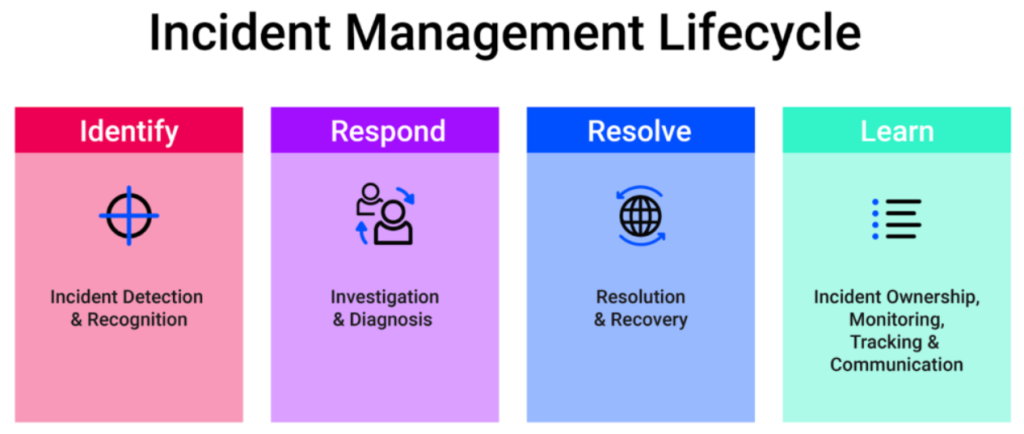
Incident management is the process of identifying, managing, and resolving incidents in an IT environment. An incident refers to any event that disrupts the normal functioning of an IT service, which can range from system failures to security breaches. Effective incident management is vital for reducing downtime, restoring services quickly, and ensuring customer satisfaction.
Incident management typically involves:
- Detection and Reporting: Identifying and documenting the incident.
- Assessment and Prioritization: Categorizing and prioritizing incidents based on severity and impact.
- Resolution and Recovery: Working towards resolving the incident and restoring services.
- Closure and Reporting: Closing the incident after resolution and providing feedback.
Incident management tools automate and streamline these processes, making it easier for IT teams to handle incidents effectively and efficiently.
Why Do You Need an Incident Management Tool?
Organizations today rely heavily on their IT systems, and any disruption can have significant consequences. An incident management tool helps organizations:
- Improve Incident Detection and Reporting: Automates the detection of issues and centralizes incident reporting, making it easier for users and teams to identify and report problems.
- Enhance Response Time: With the right tool, teams can prioritize and address incidents faster, reducing downtime and service disruptions.
- Ensure Effective Communication: Incident management tools often come with collaboration features that enable IT teams to communicate in real time, improving coordination and response efforts.
- Track Incident Lifecycle: Incident management tools provide visibility into the incident lifecycle, from detection to resolution, helping organizations monitor progress and improve response strategies over time.
- Automate Routine Tasks: Many tools offer automation capabilities, such as alerting, ticketing, and reporting, saving time and reducing the risk of human error.
Top Incident Management Tools
Here’s a list of some of the most popular incident management tools available in the market:
1. ServiceNow
ServiceNow is one of the most well-known ITSM platforms, offering a comprehensive suite of tools for incident management, problem management, change management, and more. With ServiceNow, organizations can streamline incident detection, reporting, and resolution through automated workflows and intelligent routing.
Key Features:
- Incident detection and reporting automation.
- Integration with other ITSM processes (problem, change, and service request management).
- AI-powered incident categorization and prioritization.
- Real-time collaboration and communication tools.
- Detailed reporting and analytics for continuous improvement.
Best for: Large enterprises needing a complete IT service management solution.
2. PagerDuty
PagerDuty is a popular incident response platform known for its real-time alerting and incident response automation. It helps IT teams quickly respond to incidents by sending alerts through multiple channels, ensuring the right team members are notified instantly.
Key Features:
- Multi-channel alerting (email, SMS, mobile push, and more).
- On-call management and scheduling.
- Escalation policies to ensure incidents are addressed in a timely manner.
- Incident tracking and reporting.
- Integration with monitoring tools like AWS CloudWatch, Datadog, and New Relic.
Best for: DevOps teams and IT operations who require quick response times and integration with monitoring tools.
3. Jira Service Management
Jira Service Management, developed by Atlassian, is an ITSM tool that simplifies incident management by offering powerful ticketing and collaboration features. It allows teams to quickly create, assign, and resolve incidents while maintaining visibility into the status of ongoing issues.
Key Features:
- Customizable incident ticketing and workflows.
- Automation rules for ticket routing and prioritization.
- SLA management to ensure timely incident resolution.
- Integrates seamlessly with Jira Software for software development teams.
- Knowledge base integration for self-service support.
Best for: Teams already using Jira and those in need of seamless integration with other Atlassian products.
4. Freshservice
Freshservice is an ITIL-compliant incident management software that enables businesses to manage incidents and IT services with a simple, user-friendly interface. It offers automated workflows, SLA management, and robust reporting capabilities.
Key Features:
- Customizable incident management workflows.
- AI-driven service desk for smarter incident categorization.
- Automated ticket assignment and escalation.
- Knowledge base for incident resolution.
- Multi-channel support (email, phone, chat, and more).
Best for: Small to medium-sized businesses that require a flexible and easy-to-use incident management tool.
5. Opsgenie
Opsgenie, by Atlassian, is another powerful incident management tool that helps IT teams respond to incidents in real time. It offers intelligent alerting, on-call management, and integrations with a wide range of monitoring tools.
Key Features:
- Advanced alerting and notification management.
- On-call management and scheduling.
- Integration with monitoring tools like Nagios, Zabbix, and Datadog.
- Incident resolution tracking and reporting.
- Mobile app for on-the-go incident management.
Best for: DevOps and IT operations teams looking for robust alerting and on-call management features.
6. xMatters
xMatters is an incident management and communication tool that enables organizations to respond to incidents quickly through automated workflows and real-time notifications. It integrates well with other ITSM platforms and monitoring tools.
Key Features:
- Automated incident response workflows.
- Real-time communication and collaboration tools.
- Integration with ITSM tools, monitoring systems, and alerting platforms.
- Mobile app for incident management on the go.
- Analytics and reporting to track incident response performance.
Best for: Organizations requiring seamless communication and automation in incident management.
7. BigPanda
BigPanda focuses on incident automation and AI-driven incident management, helping IT teams prioritize and resolve incidents faster. It aggregates alerts from multiple sources and correlates them into actionable incidents.
Key Features:
- AI-driven incident correlation and root cause analysis.
- Integrates with monitoring and observability tools.
- Incident management automation.
- Real-time collaboration and notification.
- Detailed incident reporting and insights.
Best for: IT teams managing large-scale infrastructure with complex alert systems.
8. Samanage (now part of SolarWinds Service Desk)
Samanage, now SolarWinds Service Desk, is an ITSM platform that helps businesses streamline incident management with a focus on ease of use and automation. It offers integrated ticketing, SLA management, and knowledge base features to resolve incidents efficiently.
Key Features:
- Service desk with ITIL-based incident management workflows.
- Incident categorization and ticket prioritization.
- Self-service portal for users to report incidents.
- SLA management and reporting.
- Knowledge base integration for faster resolution.
Best for: Small and medium businesses looking for a simple yet powerful ITSM solution.
9. Cherwell Service Management
Cherwell Service Management is an ITSM platform that offers a wide range of incident management features, including customizable workflows, automated ticket routing, and robust reporting tools.
Key Features:
- Customizable workflows and incident ticketing.
- Automated SLA tracking and escalation.
- Knowledge management integration.
- Advanced reporting and analytics capabilities.
- Integration with other ITSM and monitoring tools.
Best for: Enterprises that need a highly configurable ITSM solution with robust reporting features.
10. Zoho Desk
Zoho Desk is an easy-to-use customer support and incident management tool that offers ticketing, automation, and SLA management features. It helps IT teams handle incidents efficiently while providing high-quality customer support.
Key Features:
- Multi-channel support for email, phone, chat, and social media.
- Automation for ticket routing and prioritization.
- SLA management and escalation.
- Knowledge base for self-service incident resolution.
- Reporting and analytics tools.
Best for: Businesses looking for an affordable incident management solution with a focus on customer support.
