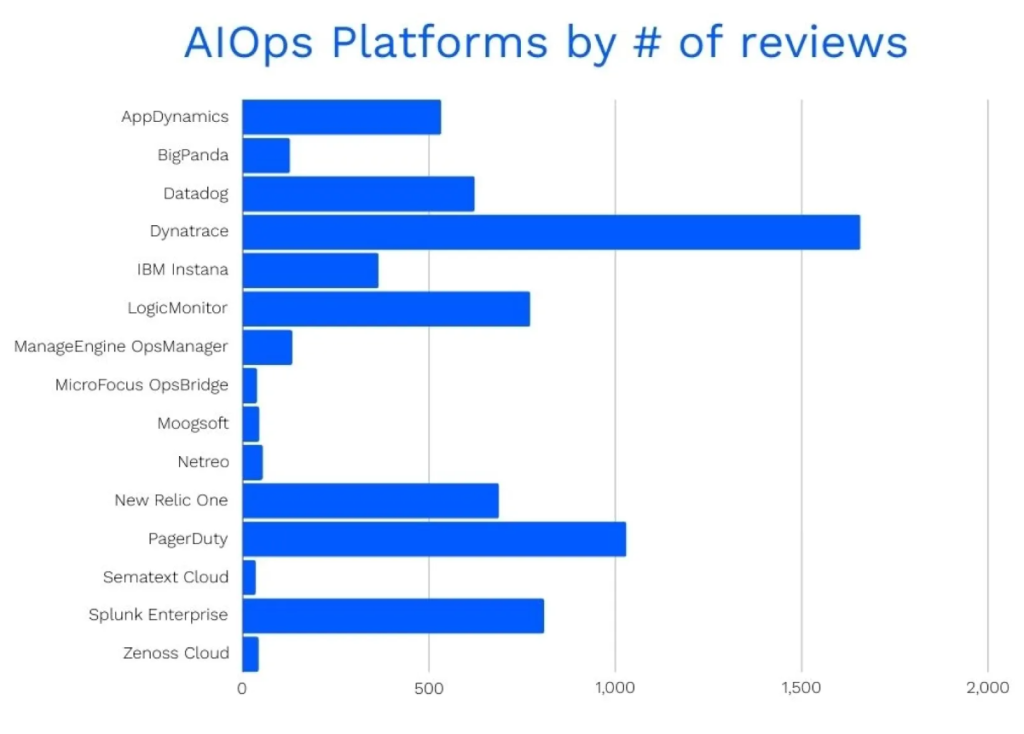
The rapid growth of IT operations and increasing complexity in infrastructure management have given rise to AIOps (Artificial Intelligence for IT Operations) platforms. These platforms combine AI and machine learning to improve observability, automate issue resolution, and ensure seamless IT operations. If you’re exploring AIOps for your organization, here’s a detailed list of some of the leading platforms and their capabilities.
What is AIOps?
AIOps stands for Artificial Intelligence for IT Operations. It leverages machine learning, big data analytics, and automation to analyze and manage IT environments. AIOps platforms are designed to:
- Automate routine tasks: Such as alert prioritization and root cause analysis.
- Enhance observability: Monitor applications, networks, and infrastructure in real time.
- Reduce downtime: Proactively predict and resolve issues before they impact users.
- Simplify complexity: Correlate data across various tools and systems for a unified view of operations.
With businesses adopting multi-cloud architectures, containerized environments, and microservices, AIOps has become an essential tool for modern IT teams.
Top AIOps Platforms
1. Dynatrace
Dynatrace is a market leader in AIOps, known for its full-stack observability and AI-powered analytics.
- Key Features:
- AI-driven problem detection and root cause analysis.
- Automatic dependency mapping across applications, services, and infrastructure.
- Unified observability for cloud, containers, and on-premises systems.
- Ideal For: Large enterprises with hybrid and multi-cloud environments.
2. Splunk IT Service Intelligence (ITSI)
Splunk ITSI is an analytics-driven AIOps platform that provides actionable insights into IT environments.
- Key Features:
- Event correlation and alert prioritization.
- Advanced visualizations and predictive analytics.
- Integration with Splunk’s ecosystem for log analysis and security.
- Ideal For: Teams looking to unify observability and security analytics.
3. Moogsoft
Moogsoft specializes in incident reduction and automated resolution, making it a top choice for IT operations teams.
- Key Features:
- Noise reduction through AI-driven alert clustering.
- Root cause analysis with dynamic baselining.
- Workflow automation and collaboration tools.
- Ideal For: Organizations aiming to streamline incident management processes.
4. Datadog
Datadog is a unified monitoring and observability platform with AIOps capabilities. It integrates seamlessly with cloud services, making it a favorite among DevOps teams.
- Key Features:
- AI-powered anomaly detection and forecasting.
- Centralized monitoring for logs, metrics, and traces.
- Real-time dashboards and automated alerts.
- Ideal For: DevOps teams and cloud-native organizations.
5. ServiceNow IT Operations Management (ITOM)
ServiceNow ITOM uses AI and automation to enhance IT operations and deliver proactive issue resolution.
- Key Features:
- Predictive analysis for potential outages.
- Integration with ServiceNow’s ITSM for streamlined workflows.
- Dependency mapping for better infrastructure insights.
- Ideal For: Enterprises already using ServiceNow for IT service management.
6. BigPanda
BigPanda is known for its focus on event correlation and incident automation to reduce IT noise and improve service uptime.
- Key Features:
- Noise reduction by correlating alerts from multiple sources.
- Real-time incident analysis and reporting.
- Open integrations with popular monitoring and observability tools.
- Ideal For: Mid-sized to large organizations with complex IT environments.
7. AppDynamics Cognition Engine
Part of Cisco’s AppDynamics suite, the Cognition Engine adds AI capabilities for application performance management (APM).
- Key Features:
- Automated anomaly detection and root cause analysis.
- Application performance baselining with AI-driven insights.
- Integration with Cisco’s networking tools for unified visibility.
- Ideal For: Businesses focused on application performance optimization.
8. IBM Watson AIOps
IBM Watson AIOps leverages machine learning and natural language processing (NLP) to improve IT operations.
- Key Features:
- Predictive analytics for potential issues.
- AI-driven automation for ticket resolution and escalation.
- Multi-cloud observability and Kubernetes integration.
- Ideal For: Enterprises looking for advanced AI and hybrid cloud capabilities.
9. New Relic Applied Intelligence
New Relic Applied Intelligence focuses on proactive incident management and operational efficiency.
- Key Features:
- AI-powered anomaly detection and automated event correlation.
- Unified observability for applications, infrastructure, and logs.
- Insights-driven dashboards for performance monitoring.
- Ideal For: DevOps teams in agile environments.
10. Elastic Observability
Built on the Elastic Stack, this platform provides AIOps capabilities for log analysis and observability.
- Key Features:
- Anomaly detection with machine learning.
- Centralized logging and distributed tracing.
- Scalable architecture for large datasets.
- Ideal For: Teams using Elasticsearch and looking to extend into AIOps.
Key Benefits of AIOps Platforms
- Faster Incident Resolution: Automated root cause analysis helps resolve issues quickly.
- Improved System Reliability: Predictive capabilities reduce outages and downtime.
- Operational Efficiency: Automating routine tasks frees up IT teams to focus on strategic initiatives.
- Cost Optimization: Optimized resource allocation and reduced manual efforts lead to significant savings.
- Scalability: AIOps platforms are designed to handle growing IT complexities in modern environments.
How to Choose the Right AIOps Platform
When selecting an AIOps platform, consider the following:
- Integration Needs: Ensure the platform integrates with your existing tools and systems.
- Scalability: Choose a solution that can grow with your organization.
- Ease of Use: Opt for a platform with intuitive dashboards and workflows.
- Specific Features: Evaluate features like noise reduction, anomaly detection, and automation capabilities.
- Budget: Match the platform’s pricing with your organization’s budget constraints.
